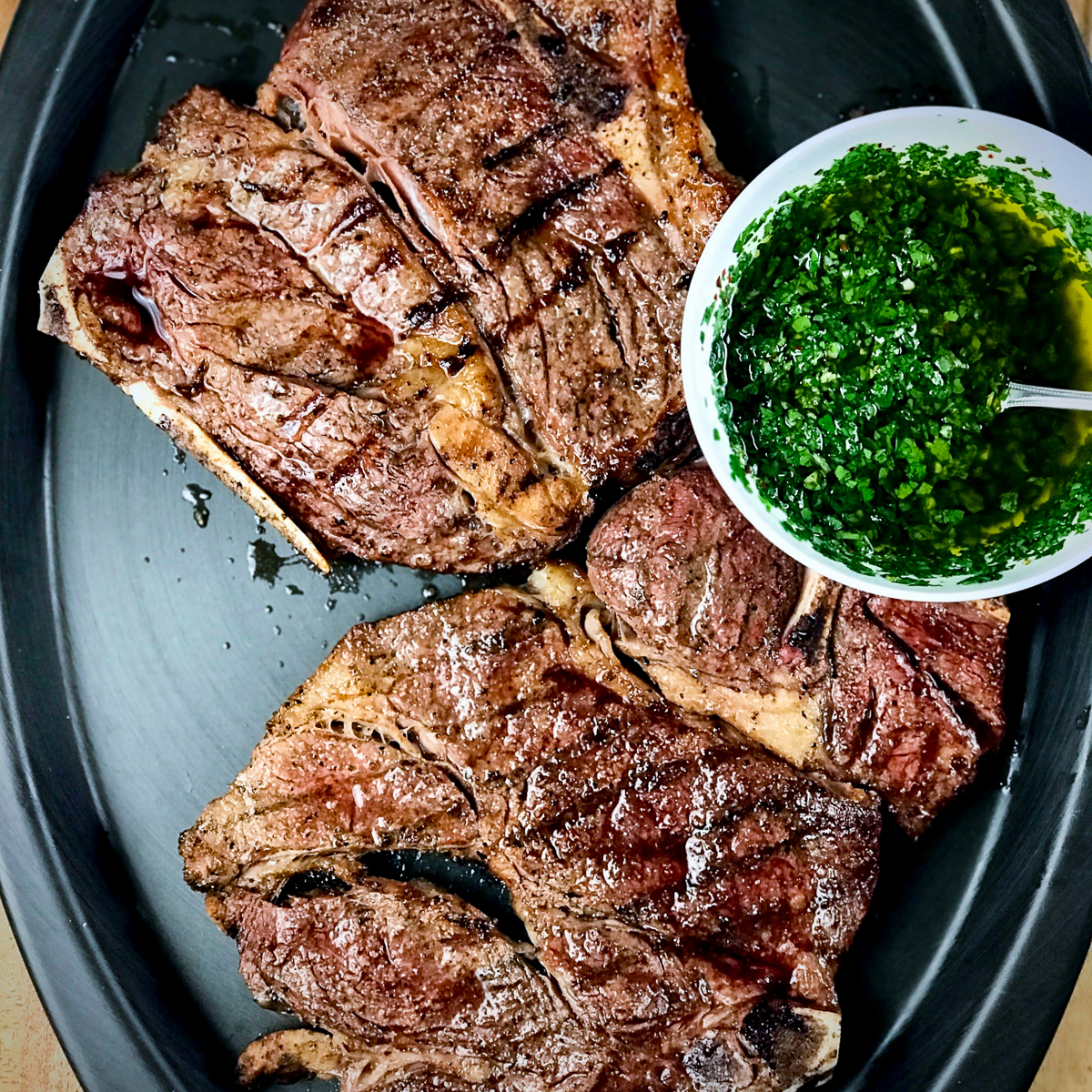
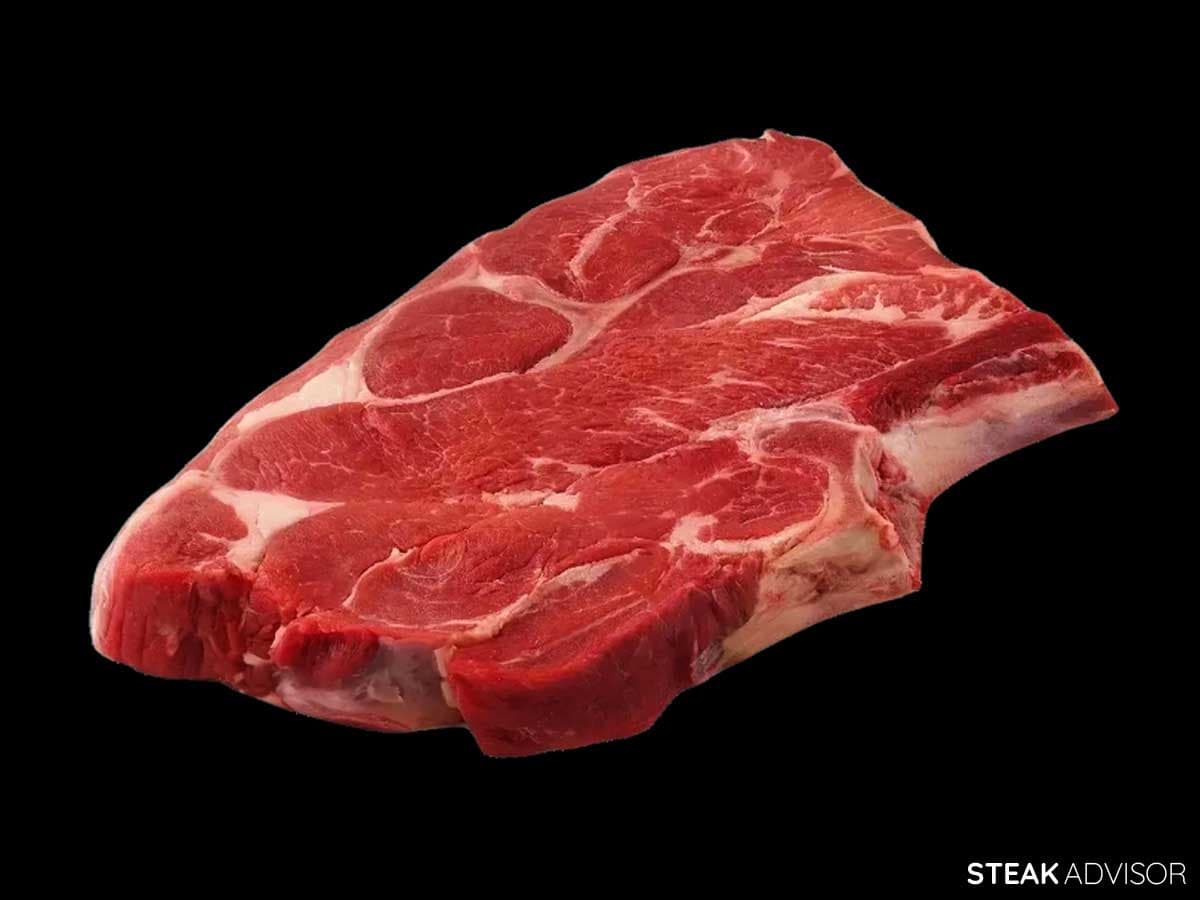
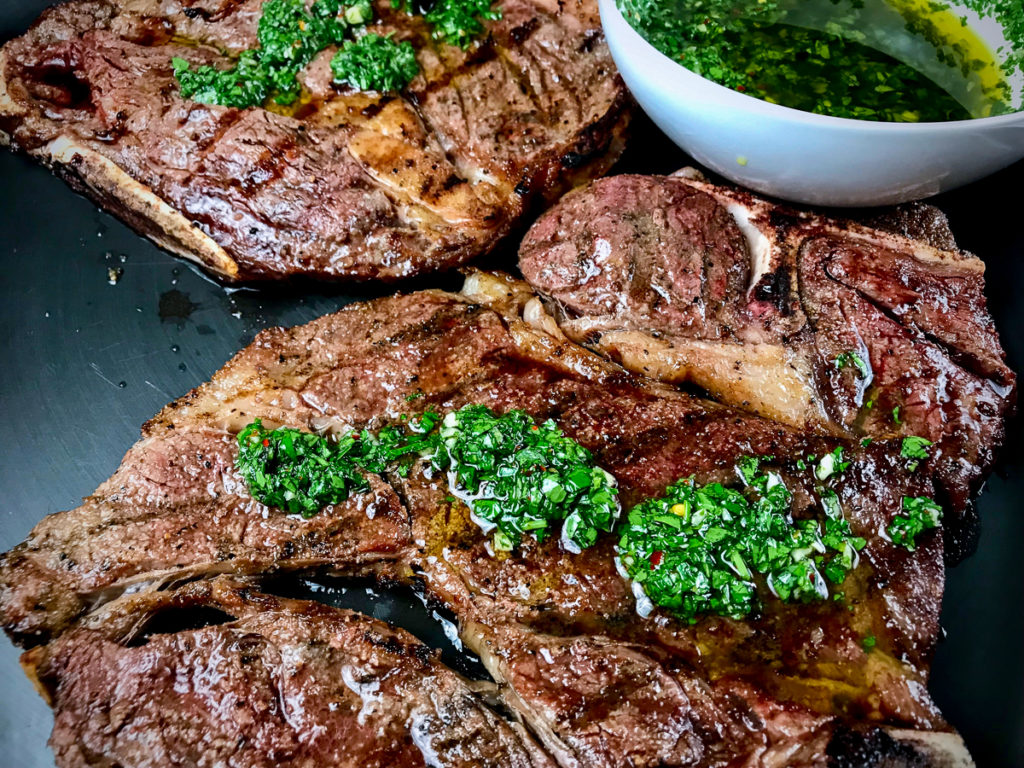
7-bone chuck steak is a classic bone-in cut from the chuck primal (shoulder area) of the cow. It gets its name from the distinctive cross-section of the scapula bone in the center of the steak, which often resembles the number “7.” It’s essentially a cross-cut of chuck roast sliced into thick steaks, typically including several muscle groups and connective tissue.
Key characteristics
The 7-bone chuck steak is defined by:
- Multiple overlapping muscles rather than a single cut
- A central flat bone (scapula blade bone section)
- Moderate marbling with lots of connective tissue (collagen)
- High beef flavor due to the shoulder location and muscle use
It’s a working-muscle cut, meaning it’s naturally tougher but very flavorful.
Appearance
- Thick, rectangular or slightly irregular steak
- Prominent flat bone running through the center (the “7” shape)
- Deep red meat with visible seams of fat and sinew
- Often 1–2 inches thick depending on butcher style
- Looks similar to a cross-section of a chuck roast
Flavor and texture
- Flavor: Rich, beefy, and robust—one of the strongest-flavored cuts in the chuck
- Texture (raw/quick-cooked): Firm, chewy, and slightly tough
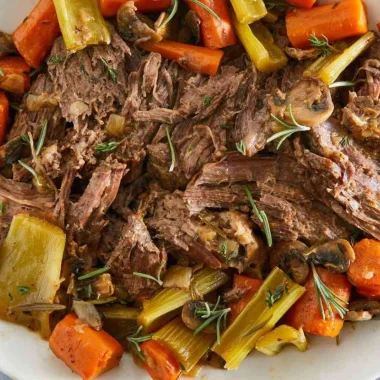
- Texture (properly cooked): Tender, juicy, and sometimes fall-apart when braised
Because of the bone and connective tissue, it develops a deep, almost “roasty” beef flavor when cooked slowly.
What makes it good
Its main appeal is that it delivers deep beef flavor at a low price and becomes extremely tender when cooked correctly. The bone adds flavor and helps retain moisture during long cooking.
Best cooking methods
The 7-bone chuck steak is not ideal for quick grilling unless very thinly sliced or carefully tenderized. Instead, it excels in:
- Braising (best method): turns collagen into gelatin, creating fork-tender meat
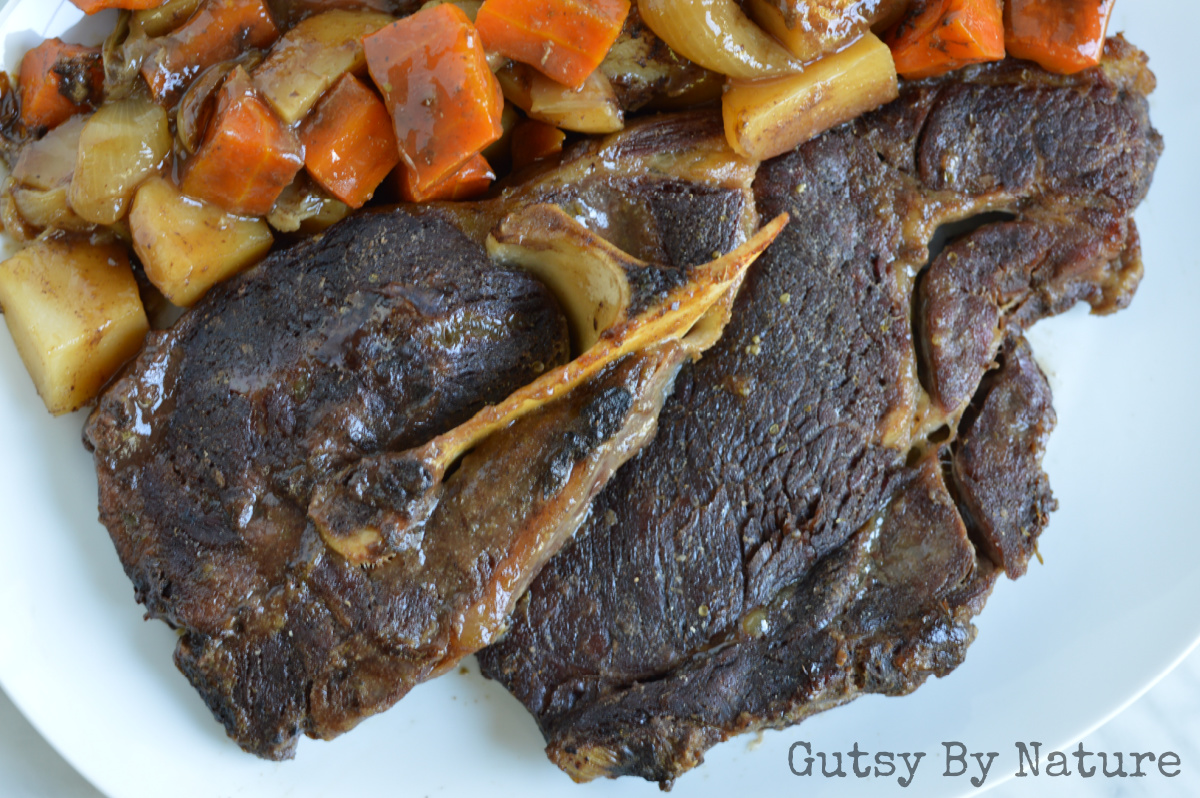
- Pot roasting: classic preparation with vegetables and broth
- Slow oven roasting (covered): similar to braising with dry heat and steam
- Slow cooker cooking: very effective for shreddable texture
- Smoking + braising combo: smoke for flavor, then finish low and slow
It is rarely used as a traditional steak for high-heat searing.
Doneness recommendations
Because it is a collagen-rich cut:
- Ideal internal range for tenderness:
- 190–205°F (88–96°C) for braised or slow-cooked results
- At this range, collagen breaks down into gelatin, producing moist, tender meat
- Cooking it to medium-rare like a ribeye will result in toughness and chewiness unless it’s extremely thin or specially prepared
Comparison with other roasts/cuts
- Chuck roast: very similar; 7-bone is essentially a sliced version with bone-in structure
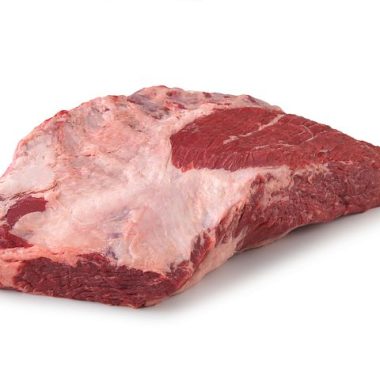
- Brisket: both require low-and-slow cooking, but brisket has more uniform muscle structure
- Short ribs: more fatty and gelatin-rich; 7-bone is leaner and slightly firmer
- Ribeye steak: vastly more tender and uniform; 7-bone is much tougher but more economical
Advantages
- Extremely flavorful beef taste
- Low cost per pound
- Bone adds depth of flavor and moisture retention
- Excellent for braising and comfort-food dishes
- Produces rich, gelatinous sauces when cooked slowly
Limitations
- Too tough for typical quick steak cooking
- Contains multiple muscles → inconsistent texture
- Requires long cooking times to become tender
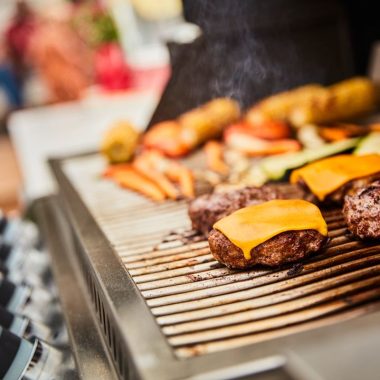
- Not ideal for grilling or pan-searing as a “steak”
- Can be chewy if undercooked or cooked too fast
Bottom line
7-bone chuck steak is a traditional braising cut: not built for fast cooking, but excellent for slow heat. When treated properly, it transforms from a tough shoulder steak into deeply flavorful, fork-tender beef with rich, savory character.





Reviews
There are no reviews yet.