

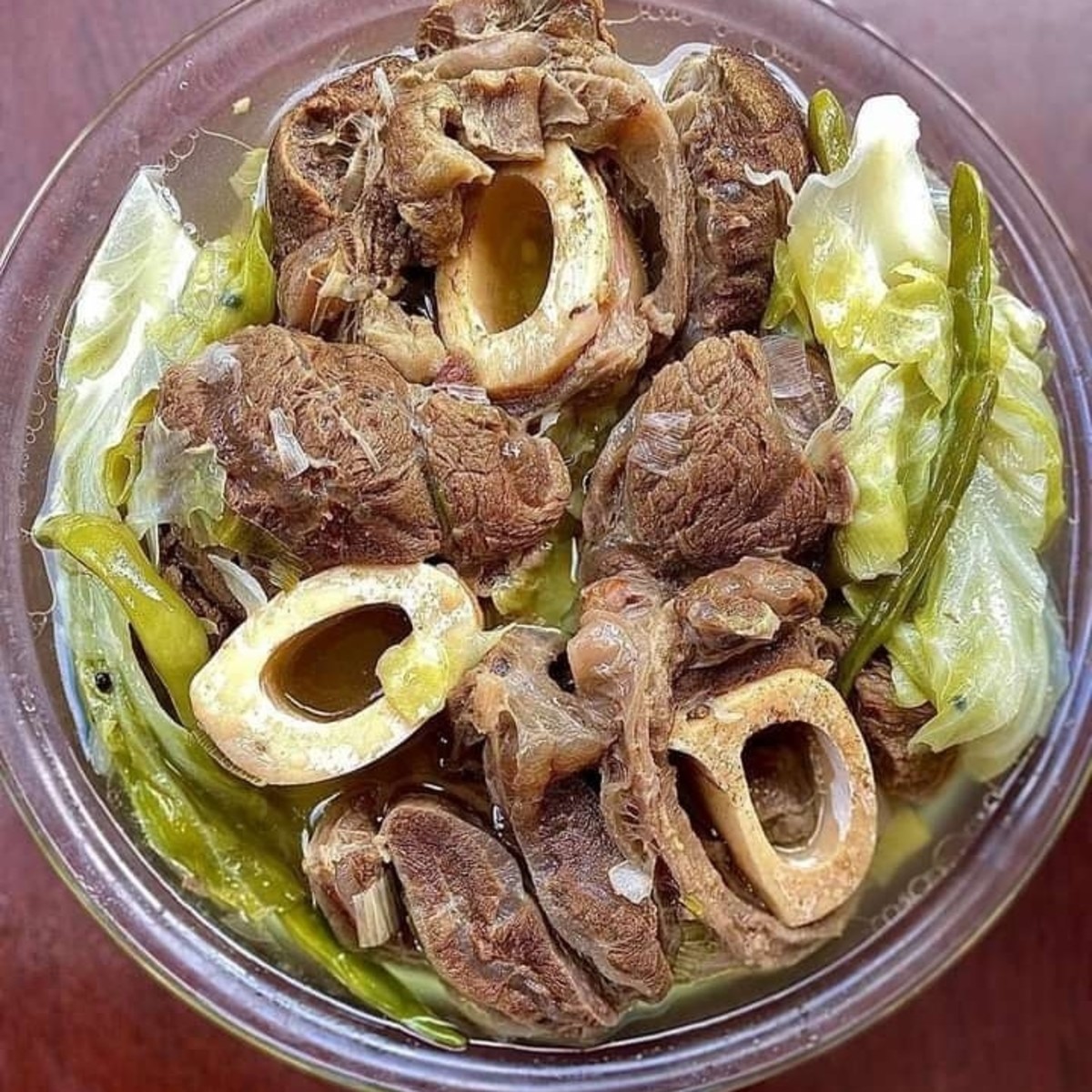
Beef Bones
$10.00 — available on subscription
Beef bones are versatile ingredients used in cooking to enhance flavor and nutrition. Common types include marrow bones, which add richness to dishes; knuckle bones, known for their collagen content; and oxtail, which provides a deep, savory flavor ideal for soups and stews.
3 in stock
Additional information
| Animal Type | Beef |
|---|---|
| Packaging | Frozen, Vacuum-sealed |
| Grade or Program | Grass-fed, USDA Inspected |
| Cut Type |
Only logged in customers who have purchased this product may leave a review.
Description
Types of Beef Bones for Cooking
Beef bones come in various types, each offering unique flavors and textures for cooking. Here’s a breakdown of the most common types:
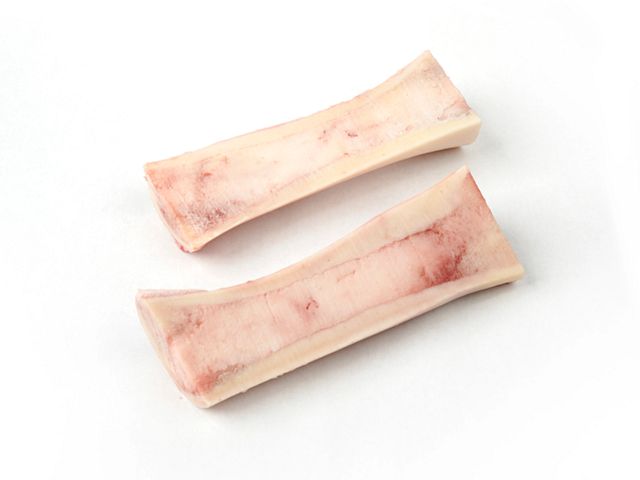
Marrow Bones
- Description: Center-cut femur bones, often cut into rounds or canoe-style.
- Best For: Roasting, spreading on toast, enriching stocks, and making marrow butter.
- Flavor Profile: Rich and creamy.
Knuckle Bones
- Description: Joint bones rich in cartilage and connective tissue.
- Best For: Stocks and broths that require natural gel and a glossy texture.
- Flavor Profile: Deep and hearty.
Oxtail
- Description: Cut from the tail, containing lots of connective tissue and marbled meat.
- Best For: Soups, stews, and slow-cooked dishes.
- Flavor Profile: Rich and flavorful.
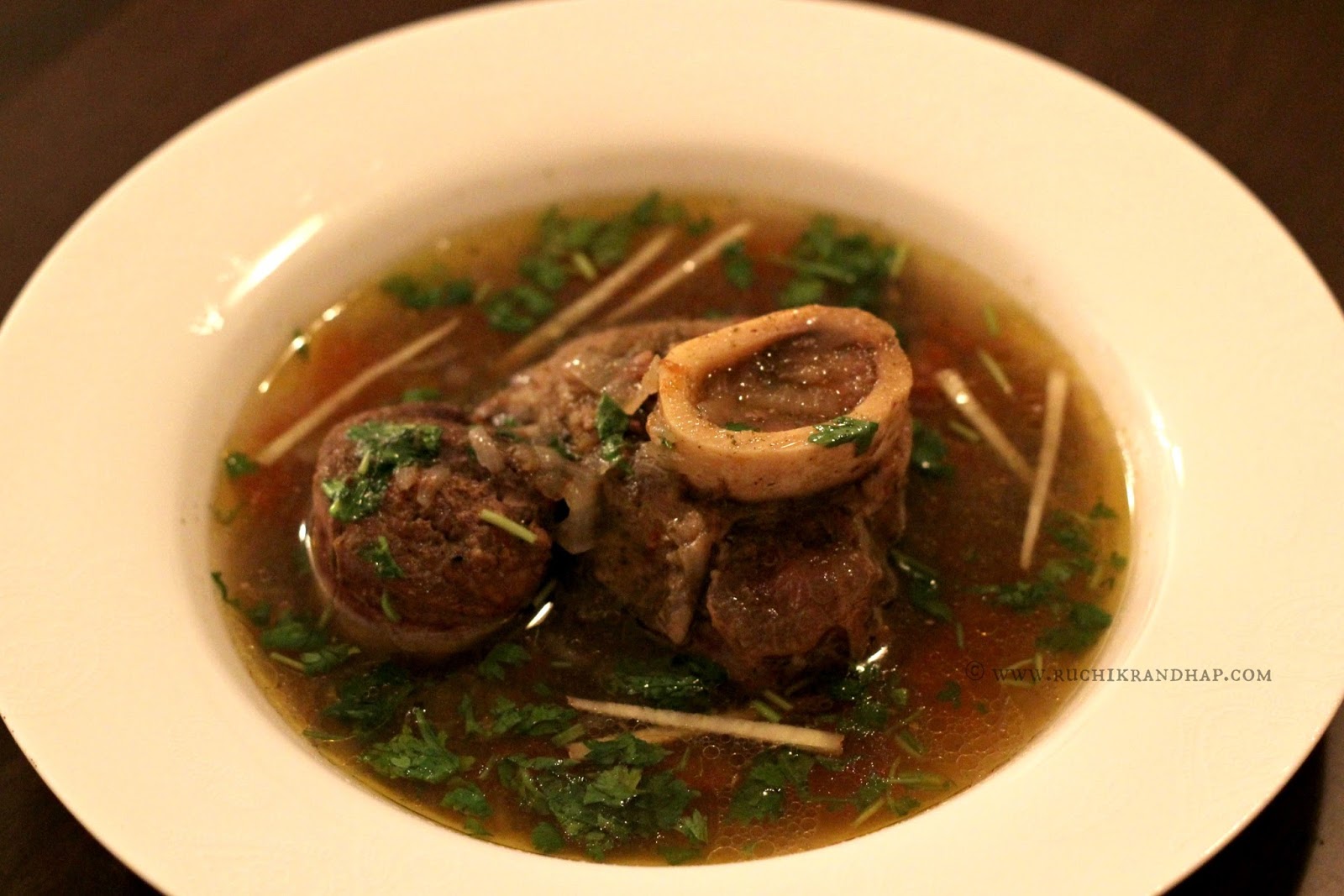
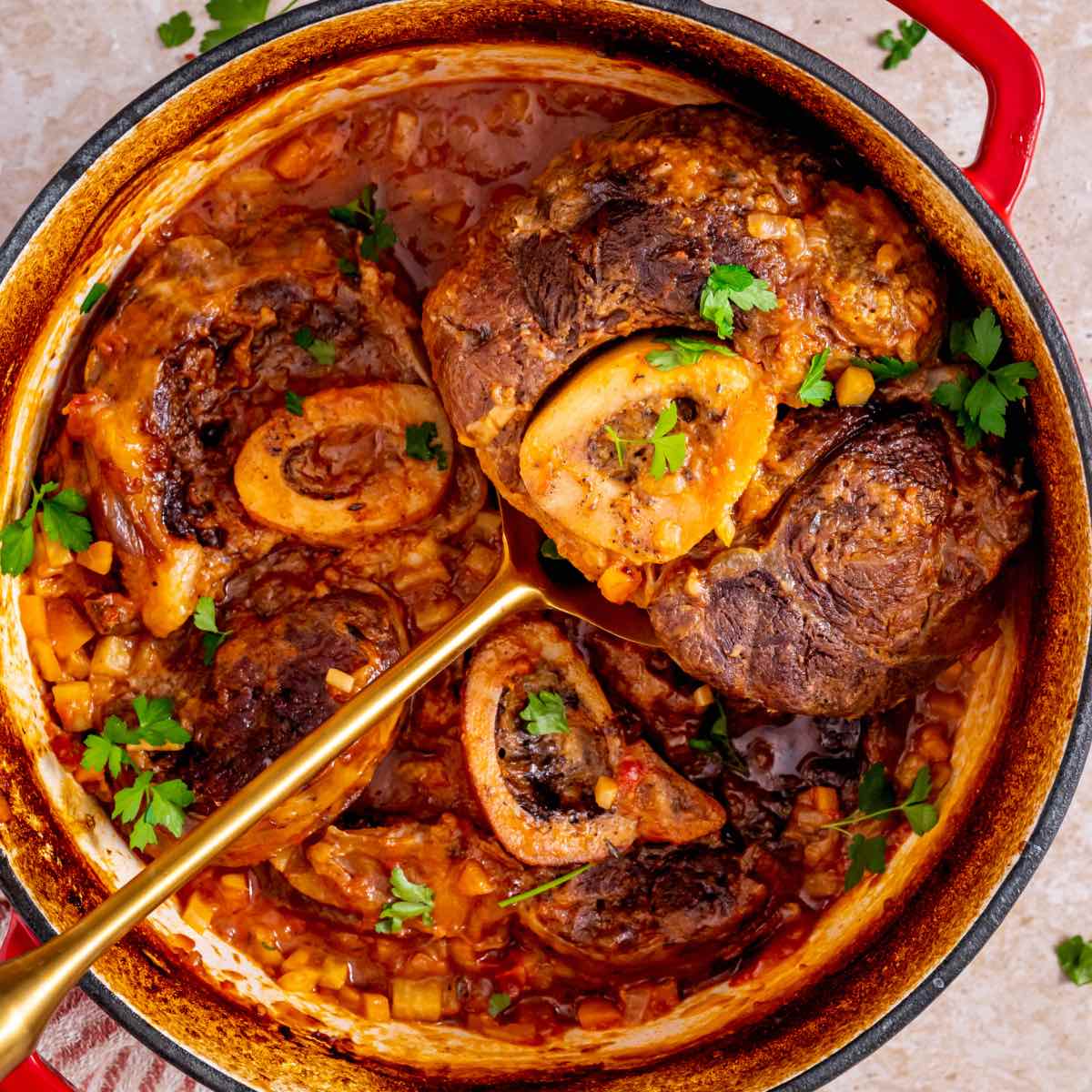
Shank Bones
- Description: Cross-cut bones that include marrow and tough muscle.
- Best For: Osso buco, braises, and rich soups.
- Flavor Profile: Balanced with a mix of richness and depth.
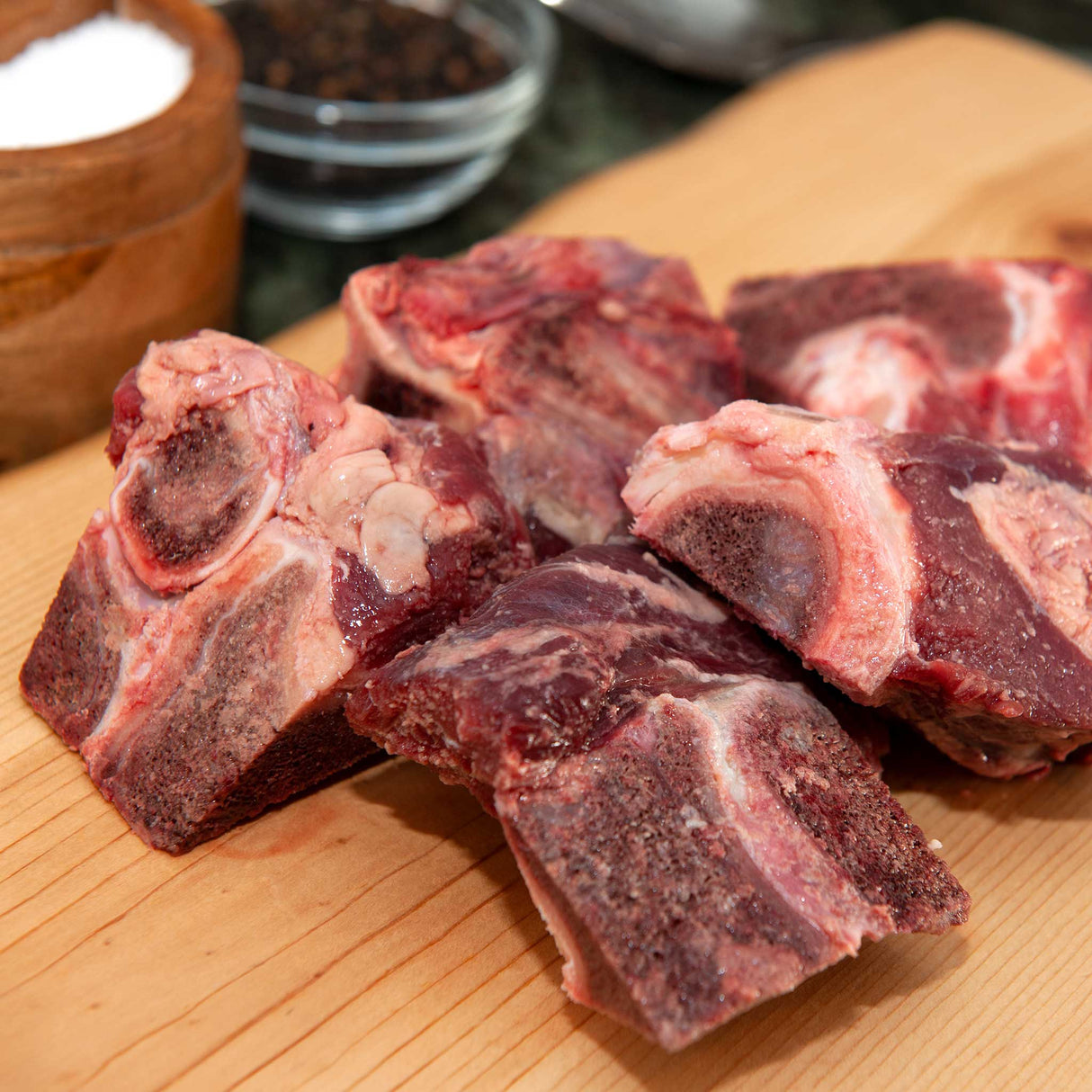
Neck Bones
- Description: Bones from the neck area, often meaty.
- Best For: Soups and ragus where both flavor and meat are desired.
- Flavor Profile: Savory and robust.
Nutritional Benefits
Beef bones are not just flavorful; they also provide several health benefits:
- Collagen and Gelatin: Supports joint health and improves skin elasticity.
- Minerals: Rich in calcium, magnesium, and phosphorus, essential for bone health.
- Amino Acids: Contains glycine, proline, and glutamine, important for tissue repair and digestion.
Cooking Methods
To maximize flavor and nutrition, consider these cooking methods:
- Roasting: Enhances flavor before simmering for broth.
- Simmering: Ideal for making bone broth; cook bones with water and aromatics for several hours.
- Braising: Suitable for tougher cuts, allowing connective tissues to break down.
Using beef bones in your cooking can elevate your dishes while providing health benefits.
Recipes for this product
You may also like…
-
Outside Skirt
$26.00 — available on subscriptionSelect options This product has multiple variants. The options may be chosen on the product page -
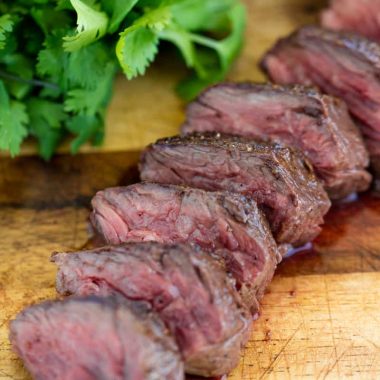
Hanging Tender
$26.00 — available on subscriptionSelect options This product has multiple variants. The options may be chosen on the product page -
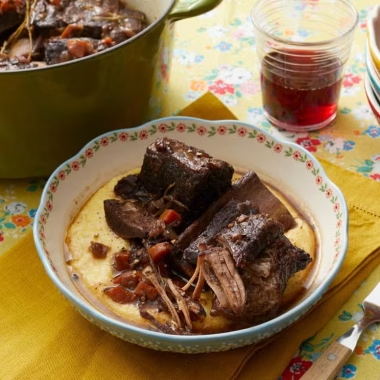
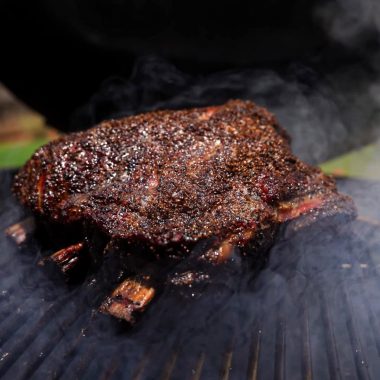
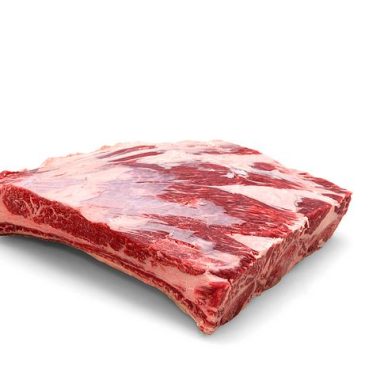
Plate Short Ribs
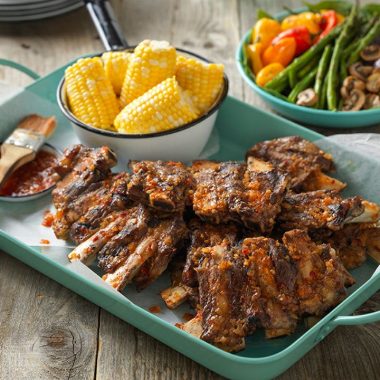
$22.00 — available on subscriptionSelect options This product has multiple variants. The options may be chosen on the product page


Reviews
There are no reviews yet.