
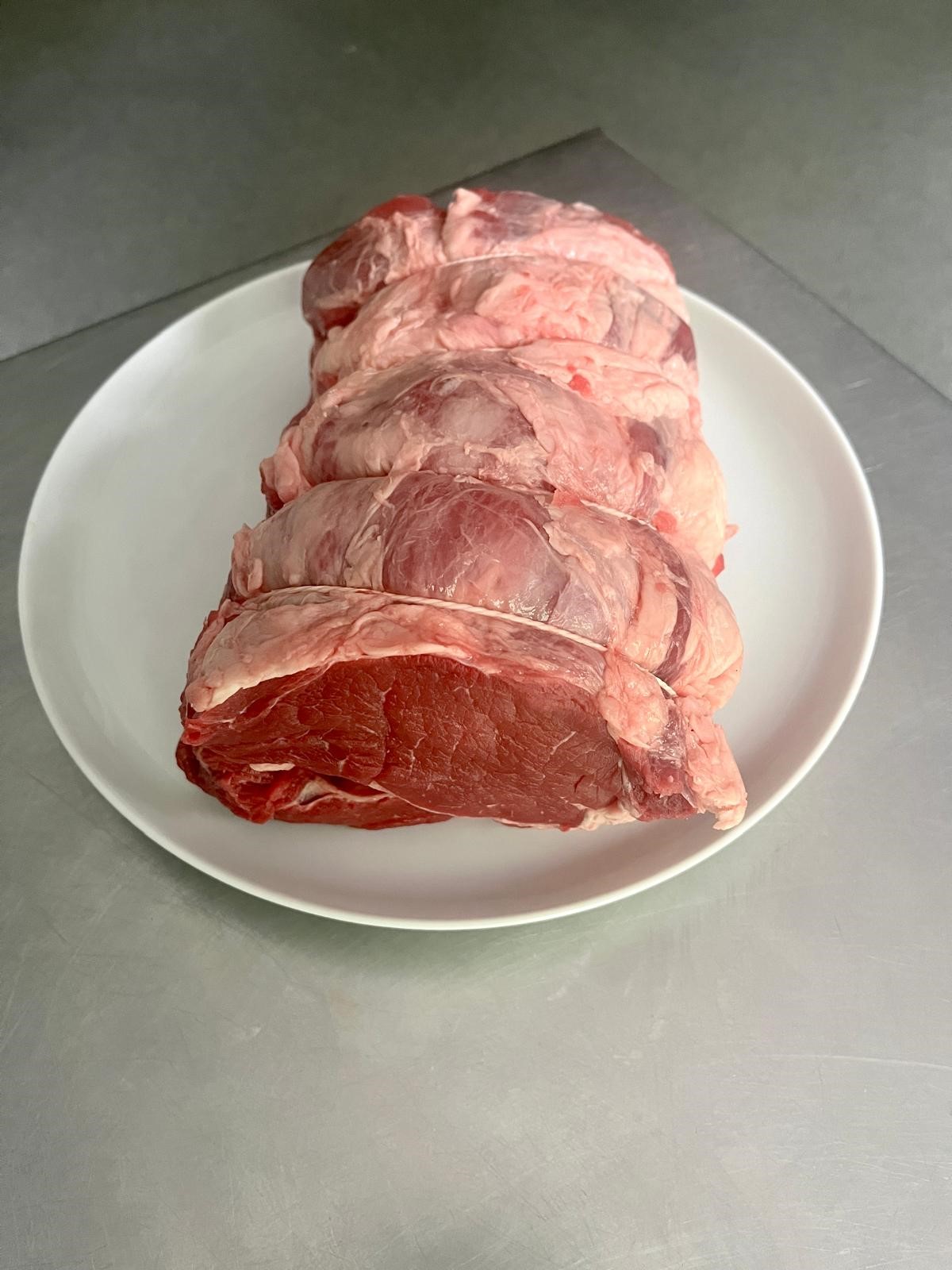

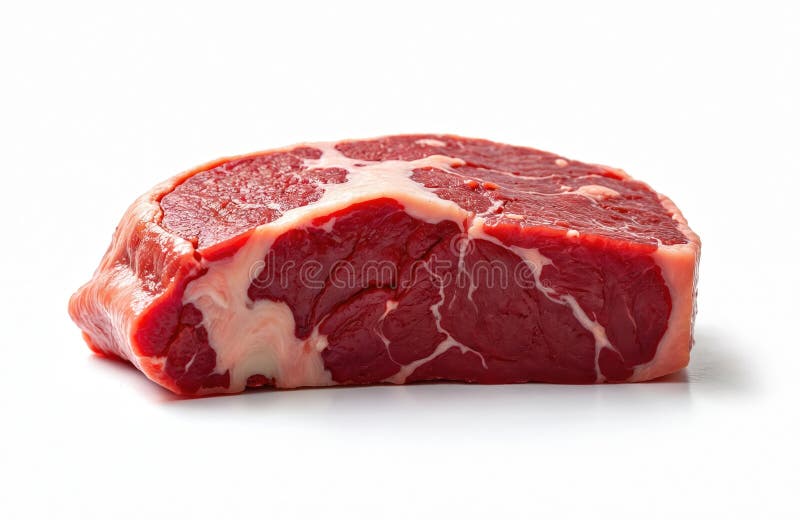
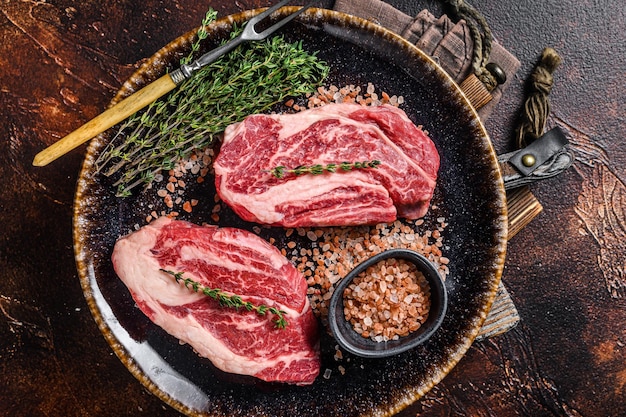
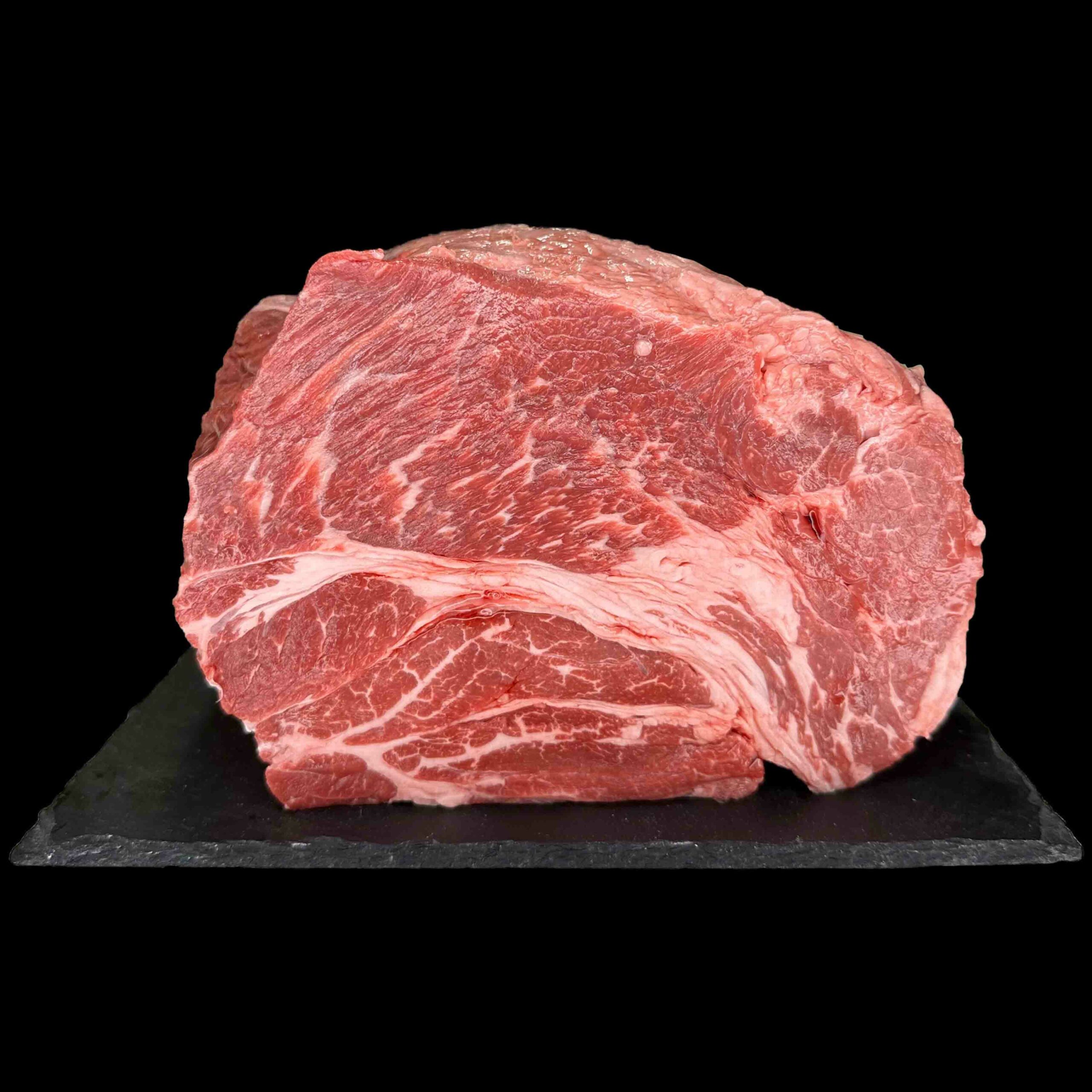

Chuck Eye Roll
Price range: $22.00 through $44.00 — available on subscription
Separated from the Under Blade section of the Chuck Roll. Often cut into Chuck Eye Roasts and Steaks, and can be cut into Boneless, Country-Style Ribs. Chuck Eye Roll cuts will possess rich flavor and good tenderness. Also Known As: Chuck Eye; Mock Ribeye
Additional information
| Animal Type | Beef |
|---|---|
| Cut Type | |
| Packaging | Frozen, Vacuum-sealed |
| Grade or Program | Grass-fed, USDA Inspected |
| Weight / Portion Size | Extra Generous, Lean & Right-Sized |
Only logged in customers who have purchased this product may leave a review.
Description
beef chuck eye roll is a shoulder cut from the chuck primal, taken from the area directly adjacent to the ribeye section. Because of this location, it’s one of the more desirable parts of the chuck: it combines relatively good marbling with portions of meat that can range from tender to quite firm depending on where you break it down.
Key characteristics
The chuck eye roll is a long, cylindrical muscle group with variable quality along its length. One end (the “chuck eye” end) is closer to the ribeye muscle and has better marbling and tenderness. The opposite end is more heavily worked shoulder meat with more connective tissue. This variation is its defining trait.
Appearance
It typically appears as a large boneless roast, sometimes netted or tied. The meat color is deep red with visible marbling concentrated more heavily near one end. You may also see seams of connective tissue and multiple muscle groups running through it, rather than a single uniform muscle like ribeye or strip loin.
Flavor and texture
Flavor is a strong point: it has a rich, beef-forward taste that is more intense than leaner loin cuts. The texture is inconsistent—some sections are moderately tender and juicy, while others are firmer and chewier due to collagen and muscle usage from the shoulder area.
When cooked properly, the well-marbled portions become juicy and steak-like, while the tougher parts break down into tender, shreddable meat after long cooking.
What makes it good
Its main advantage is versatility and value. It can deliver near-ribeye eating quality at a lower price if you separate and cook the best section properly. At the same time, nothing goes to waste because the tougher parts are excellent for braising or grinding.
Best cooking methods
- High-heat roasting or grilling (select portions only): best for the chuck eye end when cut into steaks
- Low and slow roasting: for the whole roll or tougher sections
- Braising / pot roast: ideal for breaking down connective tissue
- Smoking: works well for whole roasts, especially when finished low and sliced or shredded
- Grinding: remaining trim or less desirable sections for burgers or sausage
Doneness recommendations
- Chuck eye (ribeye-adjacent end):
- Best at medium-rare to medium (130–145°F / 54–63°C) for steak-like tenderness
- Whole roast or tougher sections:
- Best cooked to 190–205°F / 88–96°C internal for collagen breakdown and shreddability (braises, smoked roasts)
- Unlike premium loin cuts, it is less forgiving at well-done if cooked quickly, but becomes excellent when cooked slowly past medium.
Comparison with other roasts
- Ribeye roast: much more uniform, more tender, higher fat content throughout; chuck eye roll is cheaper and less consistent
- Chuck roast (standard): similar flavor, but chuck eye roll has a more “steak-like” section and slightly better marbling
- Sirloin tip roast: leaner and less flavorful; chuck eye roll is richer and more versatile
- Brisket: both are tough and collagen-rich, but brisket is more uniform and better for low-and-slow smoking, while chuck eye roll is more mixed-use
Advantages
- Strong beef flavor
- More affordable than ribeye or strip roasts
- Contains steak-quality sections when broken down properly
- Extremely versatile (grill, roast, braise, grind)
- Good marbling compared to most chuck cuts
Limitations
- Inconsistent texture across the same roast
- Requires butchering skill to get best results
- Not all sections are suitable for quick cooking
- Can become chewy if cooked like a uniform steak roast
- Less predictable than premium whole-muscle roasts
In short, beef chuck eye roll is a “hybrid” cut: part high-value steak material hidden inside a tougher chuck roast. Its payoff depends heavily on how you break it down and match each section to the right cooking method.
Recipes for this product
You may also like…
-
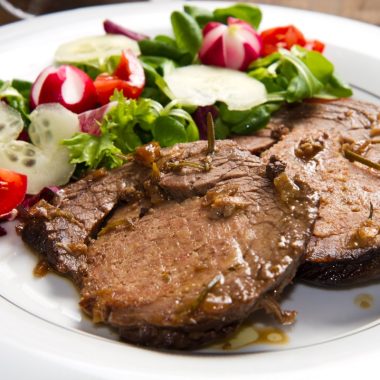
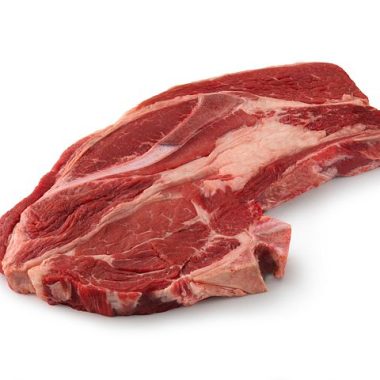
Chuck Tender Steak
Price range: $22.00 through $44.00 — available on subscriptionSelect options This product has multiple variants. The options may be chosen on the product page -

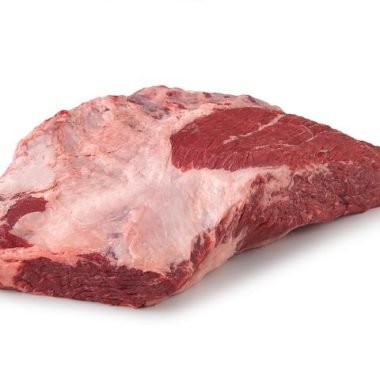
Chuck Under Blade Square Cut
Price range: $22.00 through $44.00 — available on subscriptionSelect options This product has multiple variants. The options may be chosen on the product page -

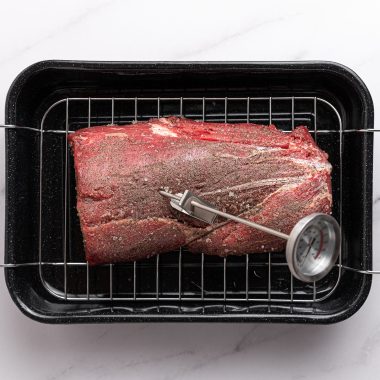
Tenderloin Roast
Price range: $30.00 through $50.00 — available on subscriptionSelect options This product has multiple variants. The options may be chosen on the product page
Related products
-
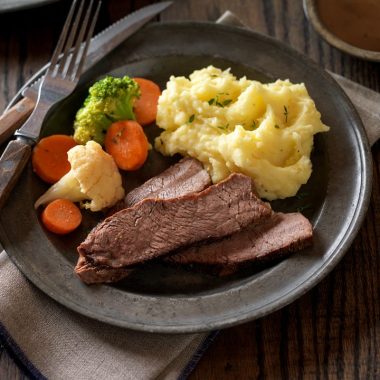

Blade Roast
Price range: $20.00 through $40.00 — available on subscriptionSelect options This product has multiple variants. The options may be chosen on the product page -

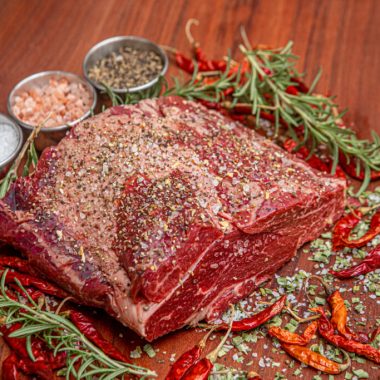
Chuck Eye Roast
Price range: $22.00 through $44.00 — available on subscriptionSelect options This product has multiple variants. The options may be chosen on the product page -
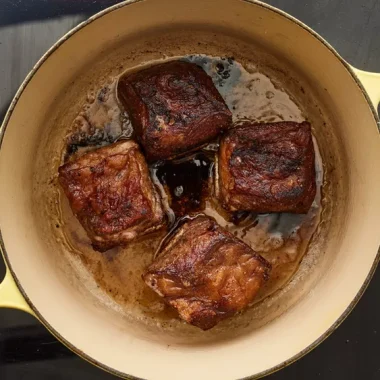
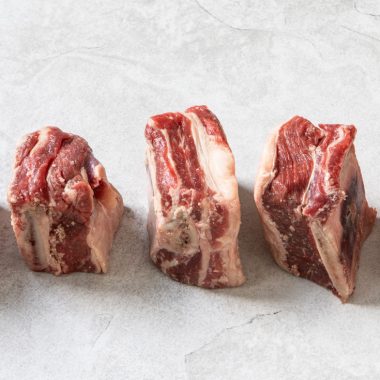
Chuck Short Ribs, Bone-In
Price range: $20.00 through $40.00 — available on subscriptionSelect options This product has multiple variants. The options may be chosen on the product page
Reviews
There are no reviews yet.