beef pectoral meat refers to the beef chest muscles, primarily the pectoral muscles that make up the brisket. These muscles support a significant portion of the animal’s body weight and are used constantly throughout the animal’s life. As a result, pectoral meat is one of the toughest but most flavorful areas of beef, containing abundant connective tissue and collagen that can be transformed into exceptional tenderness through proper cooking.
Description
Pectoral meat comes from the breast or lower chest region of the animal and includes the major muscles associated with the brisket. Because these muscles perform continuous work, they develop dense muscle fibers, strong connective tissue networks, and substantial collagen content. While naturally tough, they are highly valued in barbecue, braising, and slow-cooking traditions because long cooking converts collagen into gelatin, producing remarkable tenderness and richness.
Key Characteristics
- Derived from the chest (pectoral) muscles
- Extremely well-developed working muscles
- High collagen and connective tissue content
- Moderate to significant fat depending on specific section
- Deep, concentrated beef flavor
- Benefits greatly from low-and-slow cooking
- Often associated with brisket production
Pectoral meat is defined less by tenderness and more by its ability to transform during extended cooking.
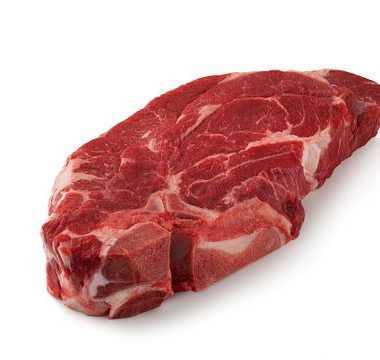
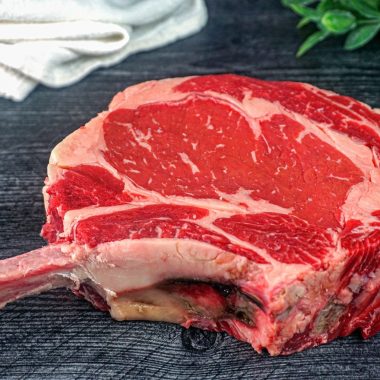
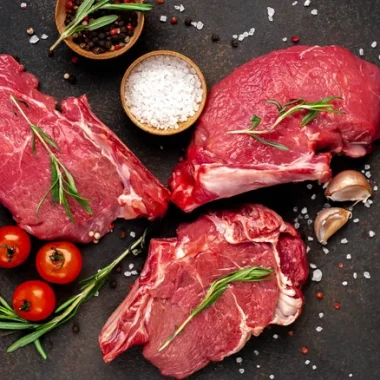
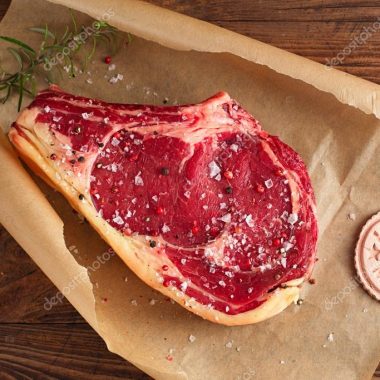
Appearance
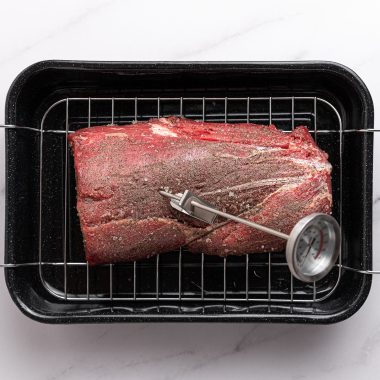
- Deep red to dark red color
- Coarse, visible muscle fibers
- Prominent grain direction
- Thick seams of connective tissue
- Variable fat distribution
- Dense and substantial appearance
Compared with loin cuts, pectoral meat appears much coarser and more heavily structured.
Flavor and Texture
Flavor
- Rich, intensely beefy
- Deep savory character
- Stronger flavor than most tender cuts
- Develops exceptional complexity during smoking or braising
Texture
Before slow cooking
- Dense
- Firm
- Chewy
- Highly resistant to cutting
After proper slow cooking
- Tender
- Moist
- Gelatin-rich
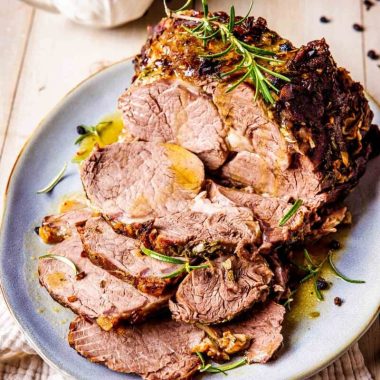
- Sliceable or shreddable depending on final temperature
The dramatic transformation in texture is one of the defining qualities of pectoral meat.
What Makes It Good
Pectoral meat is prized because:
- It develops exceptional flavor during long cooking
- Collagen converts into rich gelatin
- It remains juicy despite extended cooking times
- It performs exceptionally well in barbecue and braising
- It produces flavorful drippings and sauces
Few cuts undergo as dramatic a quality improvement through proper cooking.
Best Cooking Methods
Excellent Methods
- Smoking
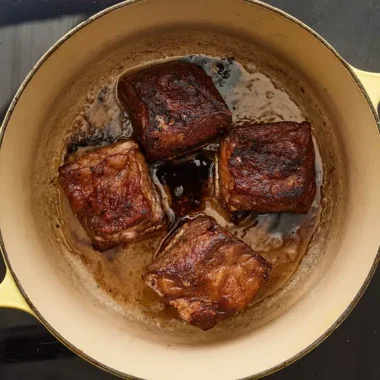
- Braising
- Slow roasting
- Slow cooker cooking
- Pressure cooking
Traditional Applications
- Barbecue brisket
- Pot roast
- Braised beef dishes
- Shredded beef preparations
Less Suitable Methods
- Quick grilling
- Fast pan-searing
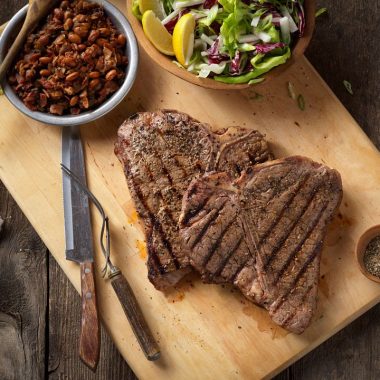
- Traditional steak preparation
These methods generally leave the meat excessively tough because collagen has insufficient time to break down.
Doneness Recommendations
Unlike steaks, pectoral meat is cooked for collagen conversion rather than traditional doneness levels.
Slicing Texture
- 195–203°F (90–95°C) internal temperature
Pull-apart/Shredded Texture
- 200–210°F (93–99°C) internal temperature
Not Recommended
- Rare or medium-rare temperatures
- Medium steak-style doneness
At lower temperatures the connective tissue remains intact, resulting in toughness.
Comparison with Other Roasts
Compared with Brisket
- Pectoral meat essentially constitutes brisket muscles
- Brisket is the most common commercial form of pectoral meat
- Similar flavor and cooking requirements
Compared with Chuck Roast
- Both are collagen-rich
- Chuck has more varied muscle groups
- Pectoral meat often has a more pronounced grain structure
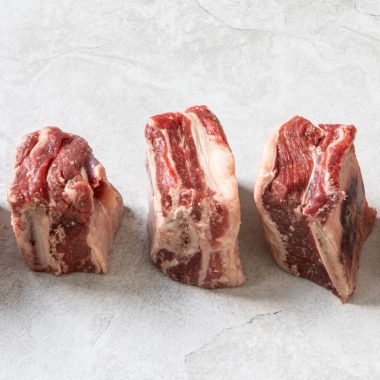
Compared with Short Ribs
- Short ribs contain more intramuscular fat
- Pectoral meat is generally leaner but equally collagen-rich
- Both excel with slow cooking
Compared with Ribeye Roast
- Ribeye is naturally tender and heavily marbled
- Pectoral meat is initially tough but develops unique gelatinous richness
- Cooking methods differ completely
Compared with Top Sirloin Roast
- Top sirloin is designed for roasting to medium-rare
- Pectoral meat requires extended cooking to high internal temperatures
- Pectoral meat develops more collagen-derived richness
Advantages
- Exceptional beef flavor
- Excellent value
- Produces rich gelatin and cooking juices
- Ideal for smoking and braising
- Forgiving during long cooking
- Can feed large groups economically
- Develops remarkable tenderness when prepared correctly
Limitations
- Extremely tough when undercooked
- Requires lengthy cooking times
- Large cuts can be difficult to cook evenly
- Pronounced grain requires proper slicing technique
- Less suitable for quick meals
- Can dry out if cooked improperly despite its collagen content
Bottom Line
beef pectoral meat is one of the most flavorful and transformation-driven areas of beef. Derived from the heavily worked chest muscles, it starts out dense and tough but becomes tender, juicy, and gelatin-rich when smoked, braised, or slow-roasted. Its outstanding flavor, value, and ability to develop luxurious texture through long cooking make it a cornerstone of barbecue and slow-cooked beef traditions around the world.





Reviews
There are no reviews yet.