
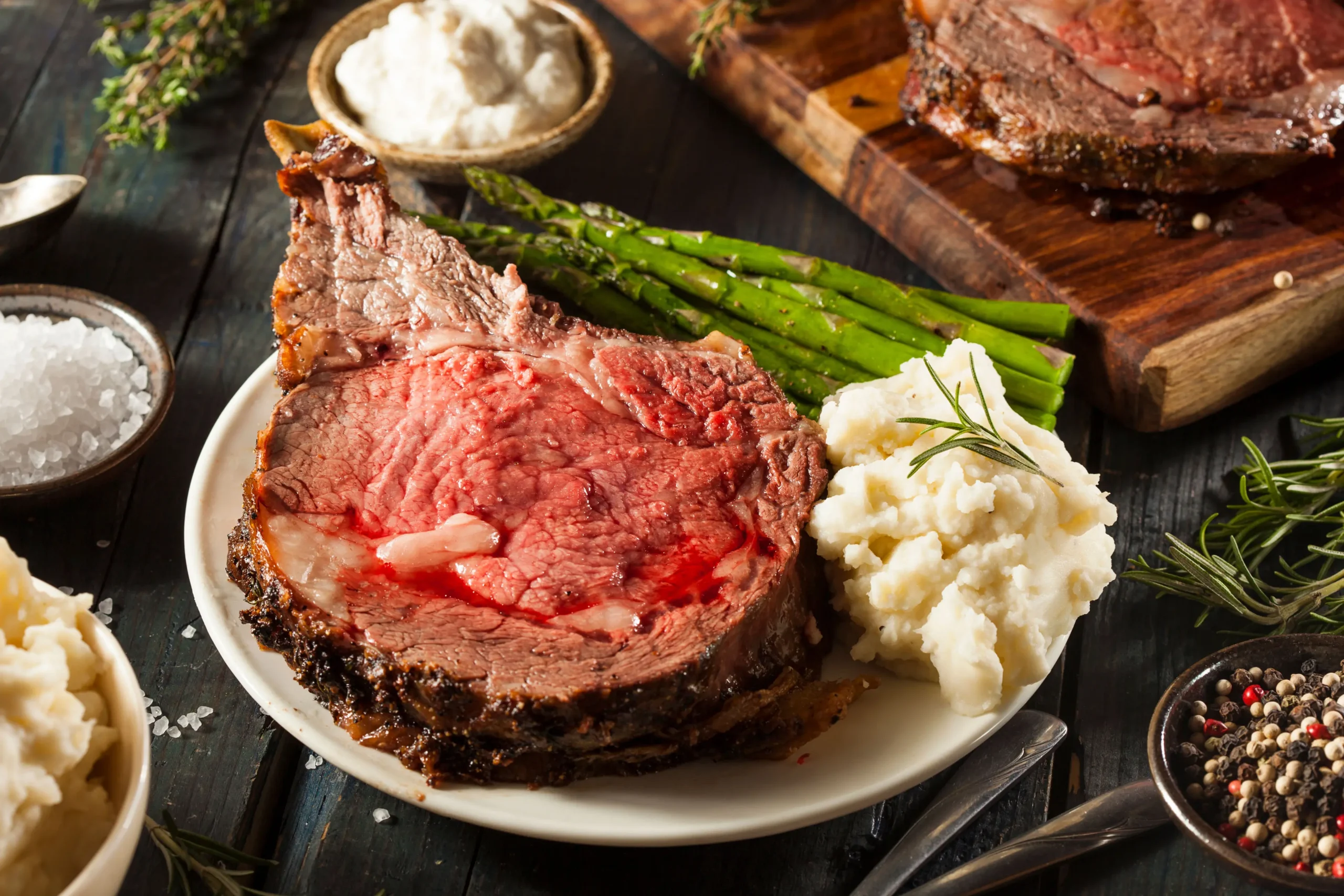

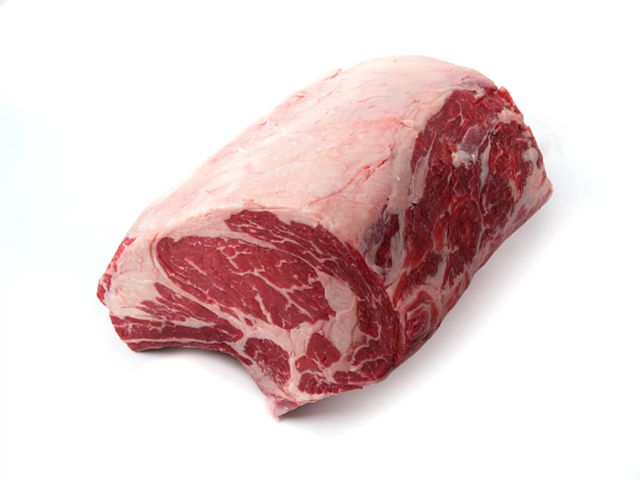
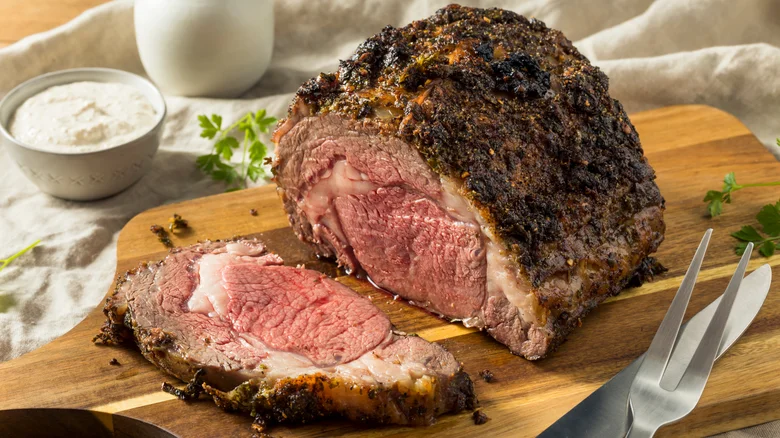

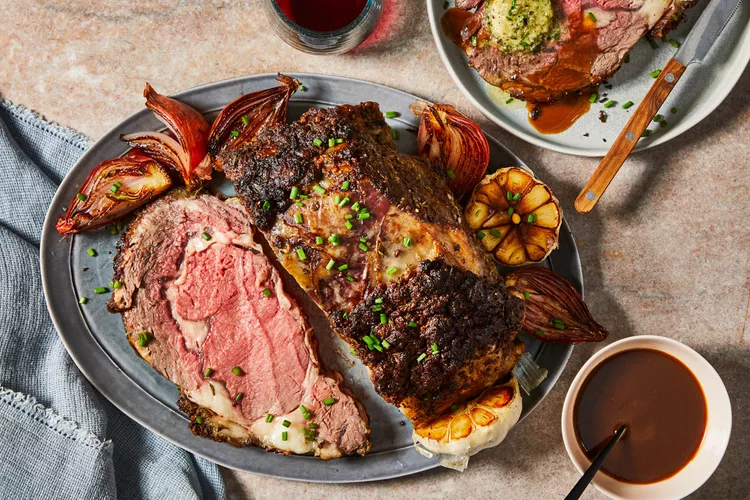
Prime Rib Steak
Price range: $50.00 through $70.00 — available on subscription
Beef prime rib steak, often called ribeye when boneless, is a tender and flavorful cut from the rib primal section of the cow. It is well-marbled with fat, which enhances its rich taste and makes it ideal for high-heat cooking methods like grilling or pan-searing.
Additional information
| Animal Type | Beef |
|---|---|
| Cut Type | |
| Packaging | Frozen, Vacuum-sealed |
| Grade or Program | Grass-fed, USDA Inspected |
| Weight / Portion Size | Extra Generous, Lean & Right-Sized |
Only logged in customers who have purchased this product may leave a review.
Description
A prime rib steak is a thick steak cut from the beef rib primal, the same section used for a prime rib roast. It is essentially an individual portion of rib roast that is cooked as a steak rather than roasted whole. It is rich, tender, juicy, and heavily marbled.
The name can be confusing: “prime rib” does not automatically mean USDA Prime beef. It describes the cut’s location, not its quality grade. A prime rib steak may be USDA Prime, Choice, or Select,
Prime rib steak vs. ribeye
They come from the same part of the cow and are very similar:
- Prime rib: Usually a large roast cooked whole and then sliced.
- Prime rib steak/ribeye: Cut into an individual steak before cooking.
- Bone-in prime rib steak: Often called a rib steak, cowboy steak, or tomahawk steak depending on the bone length.
- Boneless version: Usually sold as a ribeye steak.
The main difference is preparation. Prime rib is typically roasted slowly, while a steak is grilled, broiled, or pan-seared over high heat.
Beef prime rib steak is a premium cut of meat known for its rich flavor and tenderness. It is derived from the rib primal section of the cow, specifically from ribs six through twelve. This cut is often enjoyed for special occasions due to its impressive presentation and taste.
Characteristics
Marbling and Texture
- Marbling: Prime rib steak features significant marbling, which are streaks of fat within the meat. This fat melts during cooking, enhancing flavor and juiciness.
- Texture: The steak is tender, making it ideal for high-heat cooking methods.
Types
- Bone-in: Often referred to as a rib steak, this version includes the rib bone, adding flavor during cooking.
- Boneless: Known as ribeye steak, this cut is easier to handle and cook, with the bone removed.
Cooking Methods
Recommended Techniques
- Grilling: High heat creates a beautiful sear and enhances the steak’s flavor.
- Pan-Searing: Use a heavy skillet to sear the steak, then finish cooking in the oven for thicker cuts.
- Broiling: This method provides intense, direct heat, perfect for achieving a nice crust.
- Reverse Sear: Cook the steak slowly at a low temperature, then sear at high heat for a perfect finish.
Cooking Tips
- Thickness: Choose steaks that are at least 1.5 inches thick for optimal cooking results.
- Room Temperature: Let the steak sit at room temperature before cooking to ensure even cooking.
- Seasoning: Generously season with salt and pepper or your favorite steak rub.
- Avoid Overcooking: Aim for medium-rare to medium doneness for the best flavor and tenderness.
Prime rib steak is a luxurious choice that, when cooked properly, delivers a memorable dining experience.
Recipes for this product
You may also like…
-
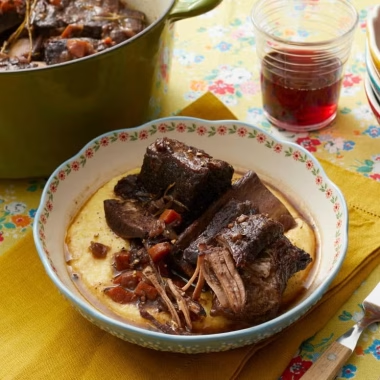
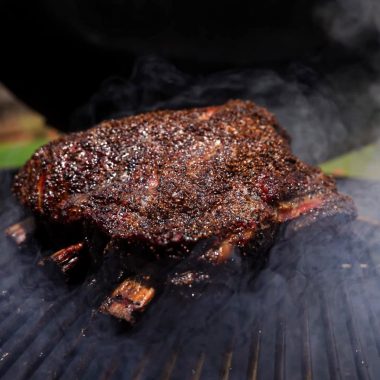
Plate Short Ribs
$22.00 — available on subscriptionSelect options This product has multiple variants. The options may be chosen on the product page -
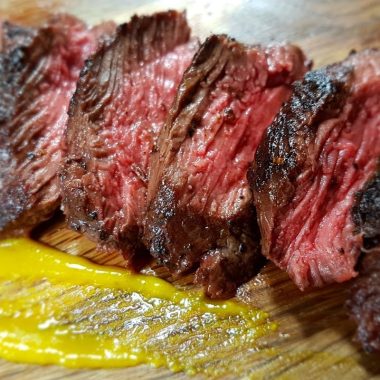
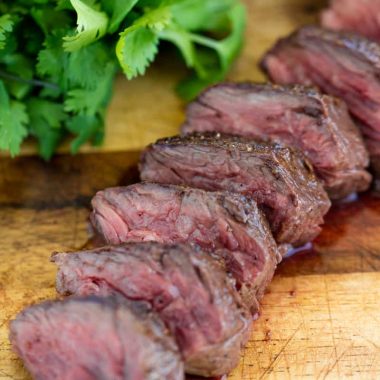
Hanging Tender
$26.00 — available on subscriptionSelect options This product has multiple variants. The options may be chosen on the product page -
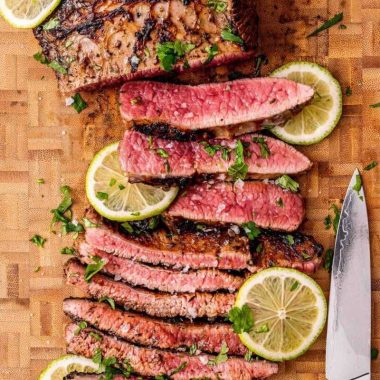
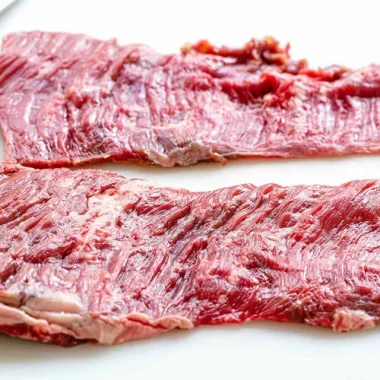
Outside Skirt
$26.00 — available on subscriptionSelect options This product has multiple variants. The options may be chosen on the product page
Related products
-
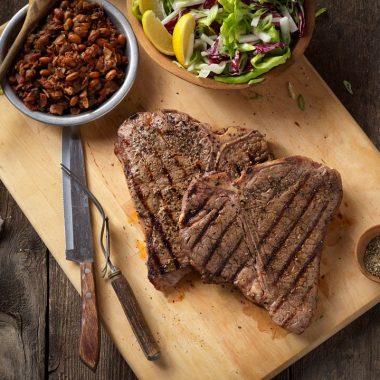
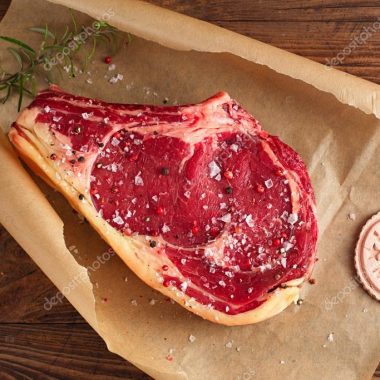
Bone-In Ribsteak
Price range: $50.00 through $70.00 — available on subscriptionSelect options This product has multiple variants. The options may be chosen on the product page -

-
Country-Style Ribs
Price range: $22.00 through $44.00 — available on subscriptionSelect options This product has multiple variants. The options may be chosen on the product page
Reviews
There are no reviews yet.