


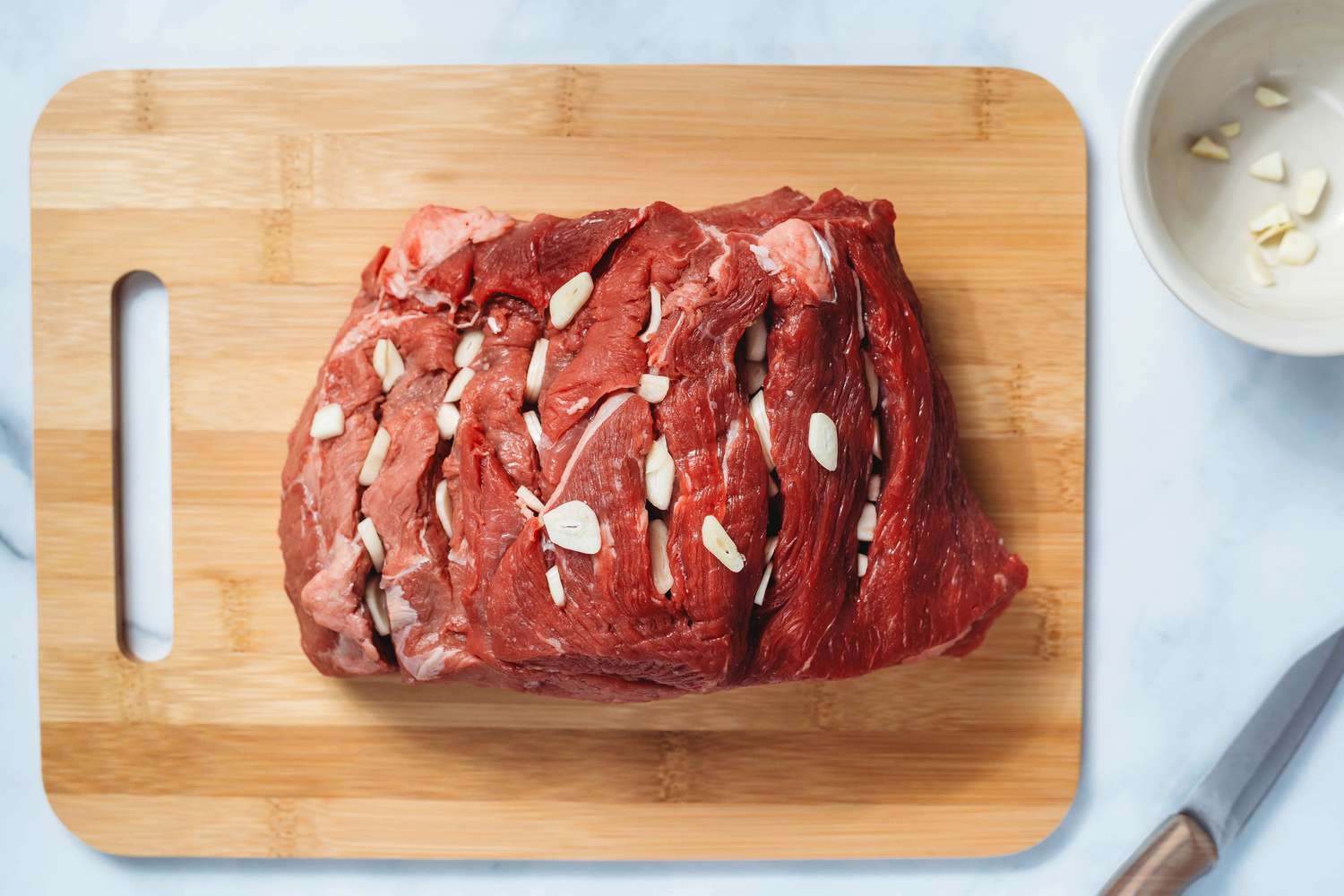
Top Sirloin Petite Roast
$30.00 — available on subscription
The beef top sirloin petite roast is a smaller, lean cut of meat that is flavorful and tender, making it ideal for roasting. It is typically cooked at a low temperature, around 325°F, for about 25-30 minutes per pound, and should be seasoned simply with salt, pepper, and herbs for best results.
3 in stock
Additional information
| Animal Type | Beef |
|---|---|
| Cooking Methods | Braising, Broiling, Grilling |
| Cut Type | |
| Packaging | Frozen, Vacuum-sealed |
| Grade or Program | Grass-fed, USDA Inspected |
Only logged in customers who have purchased this product may leave a review.
Description
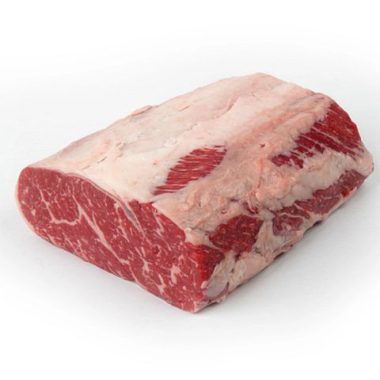
top sirloin petite roast is a compact, boneless beef roast cut from the top sirloin portion of the sirloin primal, located between the short loin and the round. It is prized for providing a balance of tenderness, beef flavor, leanness, and value. Smaller than a traditional top sirloin roast, it is well suited for family meals and cooks more quickly than larger roasts.
Description
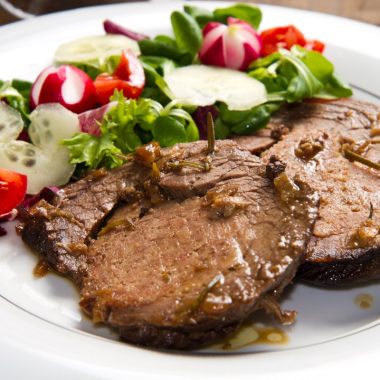
The top sirloin petite roast is cut from muscles that perform moderate work, giving it more flavor than very tender cuts like tenderloin while remaining considerably more tender than round or chuck roasts. It is a versatile roast that can be served as a centerpiece roast beef or sliced thin for sandwiches and meal preparation.
Key Characteristics
- Cut from the top sirloin primal
- Boneless and relatively lean
- Moderately tender muscle structure
- Uniform shape for even cooking
- Good balance of flavor and tenderness
- Smaller size than full sirloin roasts
- Typically weighs 1½–3 pounds
It is often considered one of the best value roasting cuts because it combines roast beef quality with moderate cost.
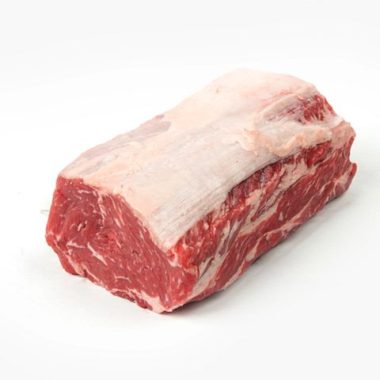
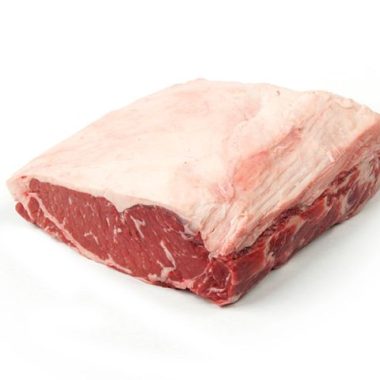
Appearance
- Compact, oval or cylindrical shape
- Deep red color
- Fine muscle grain
- Minimal external fat
- Moderate internal marbling
- Usually sold trimmed and ready to roast
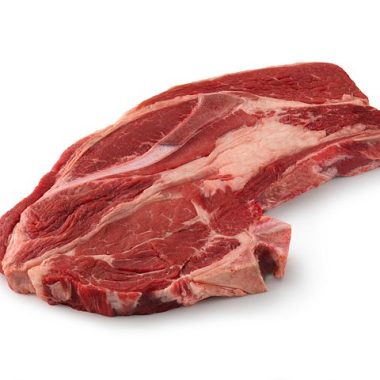
Compared with chuck roasts, it appears cleaner and more uniform, with fewer seams of connective tissue.
Flavor and Texture
Flavor
- Rich, classic beef flavor
- More pronounced beefiness than tenderloin
- Less rich than heavily marbled rib cuts
- Mild enough to pair with a variety of seasonings
Texture
- Moderately tender
- Fine-grained and relatively firm
- Slices cleanly when rested properly
- Remains juicy when cooked to medium-rare or medium
The combination of tenderness and beef flavor is the primary reason many cooks choose this roast.
What Makes It Good
The top sirloin petite roast stands out because it offers:
- Strong beef flavor without excessive fat
- Better tenderness than most economical roasts
- Uniform cooking characteristics
- Manageable size for smaller households
- Excellent versatility for roast beef applications
It occupies a desirable middle ground between premium roasts and budget roasts.
Best Cooking Methods
Excellent Methods
- Oven roasting
- Reverse searing
- Rotisserie roasting
- Sous vide followed by searing
- Smoking at moderate temperatures
Helpful Techniques
- Dry brining before cooking
- Herb and garlic crusts
- Finishing with a high-heat sear
Less Suitable Methods
- Long braising
- Slow cooking to shredding temperatures
Unlike chuck or brisket, this roast is designed to remain sliceable rather than become fall-apart tender.
Doneness Recommendations
| Doneness | Internal Temperature |
|---|---|
| Rare | 120–125°F (49–52°C) |
| Medium-rare | 130–135°F (54–57°C) |
| Medium | 140–145°F (60–63°C) |
| Medium-well | 150–155°F (66–68°C) |
Recommended
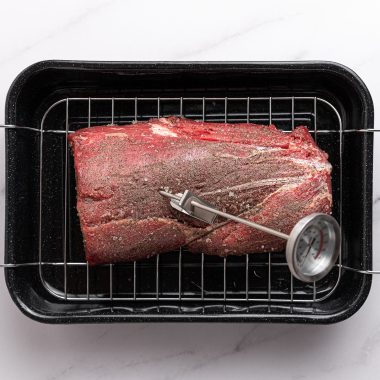
- Medium-rare (130–135°F / 54–57°C) for maximum tenderness and juiciness
- Medium (140–145°F / 60–63°C) for a firmer roast with good moisture retention
Not Recommended
- Well-done temperatures above 160°F (71°C), which can make the roast noticeably dry and less tender
Allowing the roast to rest for 10–20 minutes before slicing improves juiciness.
Comparison with Other Roasts
Compared with Tenderloin Roast
- Tenderloin is significantly more tender
- Top sirloin has stronger beef flavor
- Top sirloin is much less expensive
Compared with Ribeye Roast
- Ribeye has substantially more marbling
- Ribeye is richer and more forgiving
- Top sirloin is leaner and lower in cost
Compared with Tri-Tip
- Similar flavor intensity
- Tri-tip often has slightly more marbling
- Top sirloin petite roast has a more uniform shape
Compared with Eye of Round Roast
- Top sirloin is noticeably more tender
- Better marbling and juiciness
- More forgiving during cooking
Compared with Chuck Roast
- Chuck roast is better for braising
- Top sirloin is better for roasting and slicing
- Top sirloin requires less cooking time
Advantages
- Excellent balance of flavor and tenderness
- Leaner than rib roasts
- Affordable compared with premium cuts
- Uniform shape promotes even cooking
- Ideal for roast beef and sandwiches
- Suitable for a variety of seasonings and cooking styles
Limitations
- Less marbling than ribeye roasts
- Can dry out if overcooked
- Not suitable for shredding-style preparations
- Less luxurious texture than tenderloin
- Requires attention to internal temperature
Bottom Line
top sirloin petite roast is a versatile, moderately tender roast that offers excellent beef flavor, a lean profile, and strong value. Best roasted to medium-rare or medium and sliced thin, it delivers many of the qualities people want in roast beef without the cost of premium rib or tenderloin roasts. It is particularly well suited for smaller gatherings, family dinners, and everyday roast beef preparations.



Reviews
There are no reviews yet.