
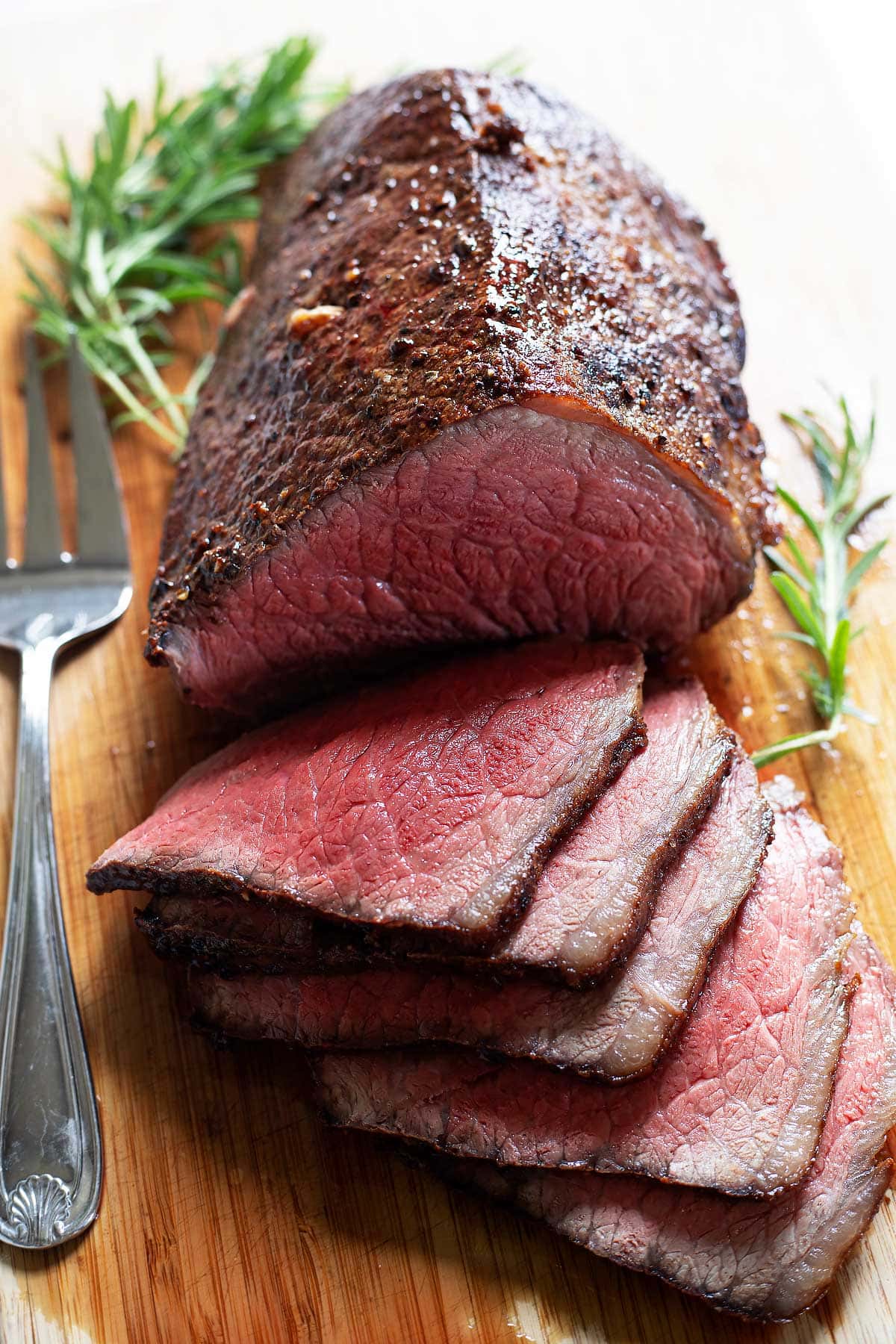

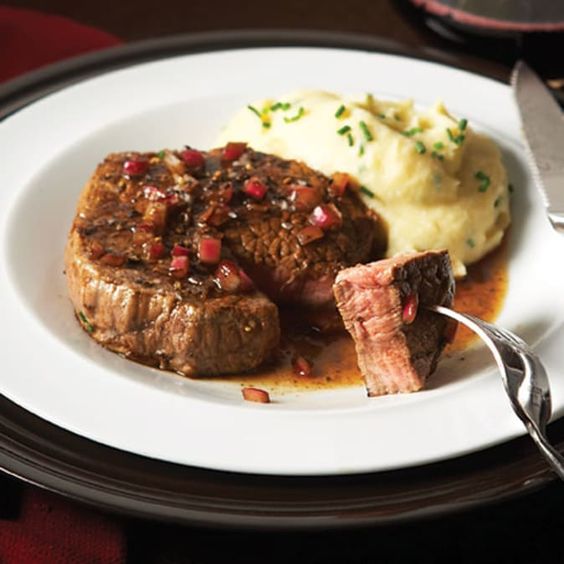


Outside Round, Heel
Price range: $30.00 through $50.00 — available on subscription
Smaller section of the full Bottom Round that is separated from the Outside Round (Flat). Cut into the Braison and Merlot Steaks.
Additional information
| Animal Type | Beef |
|---|---|
| Cut Type | |
| Packaging | Frozen, Vacuum-sealed |
| Grade or Program | Grass-fed, USDA Inspected |
| Weight / Portion Size | Extra Generous, Lean & Right-Sized |
Only logged in customers who have purchased this product may leave a review.
Description
Recipes for this product
You may also like…
-

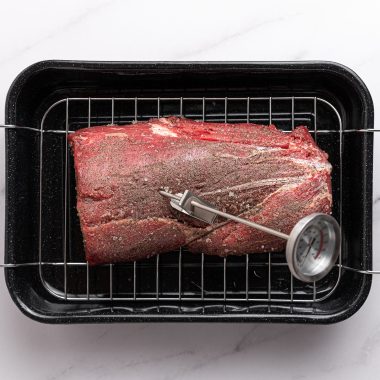
Tenderloin Roast
Price range: $30.00 through $50.00 — available on subscriptionSelect options This product has multiple variants. The options may be chosen on the product page -
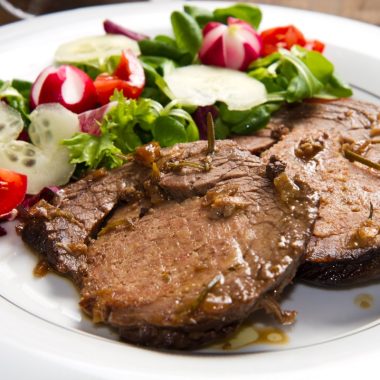
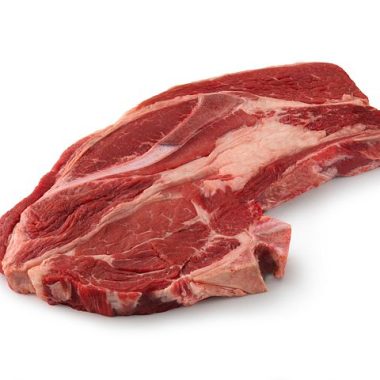
Chuck Tender Steak
Price range: $22.00 through $44.00 — available on subscriptionSelect options This product has multiple variants. The options may be chosen on the product page -

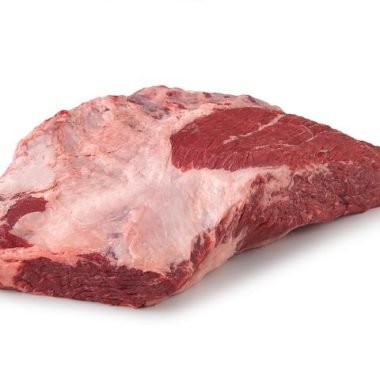
Chuck Under Blade Square Cut
Price range: $22.00 through $44.00 — available on subscriptionSelect options This product has multiple variants. The options may be chosen on the product page
Related products
-
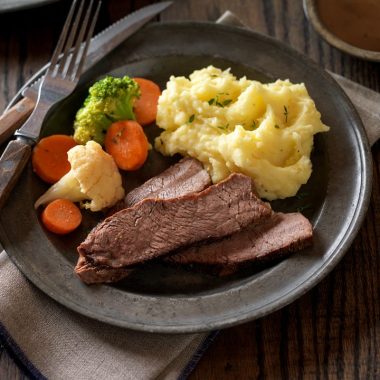

Blade Roast
Price range: $20.00 through $40.00 — available on subscriptionSelect options This product has multiple variants. The options may be chosen on the product page -

-
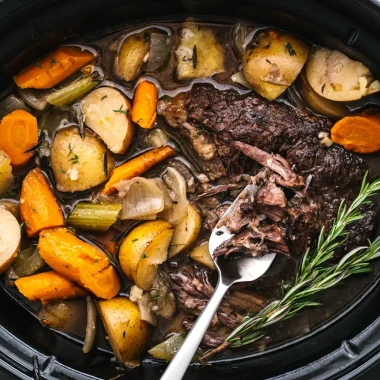
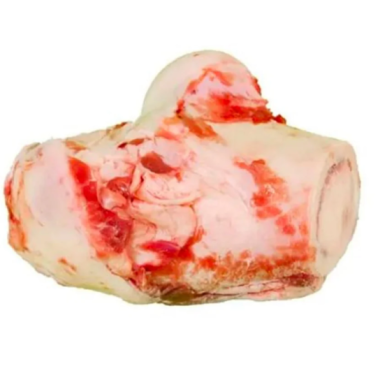
Pectoral Meat
Price range: $22.00 through $44.00 — available on subscriptionSelect options This product has multiple variants. The options may be chosen on the product page
Reviews
There are no reviews yet.