
DUP
Price range: $28.00 through $42.00 — available on subscription
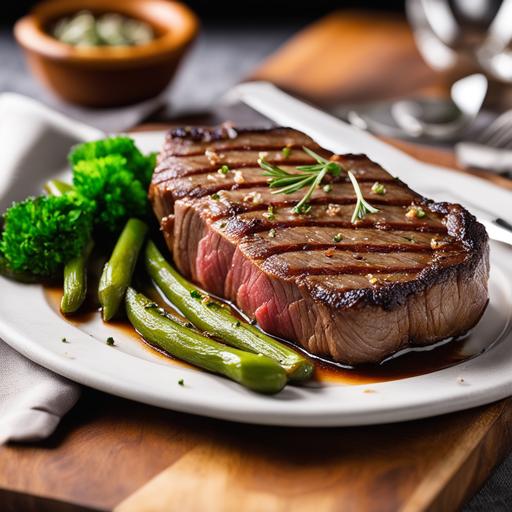
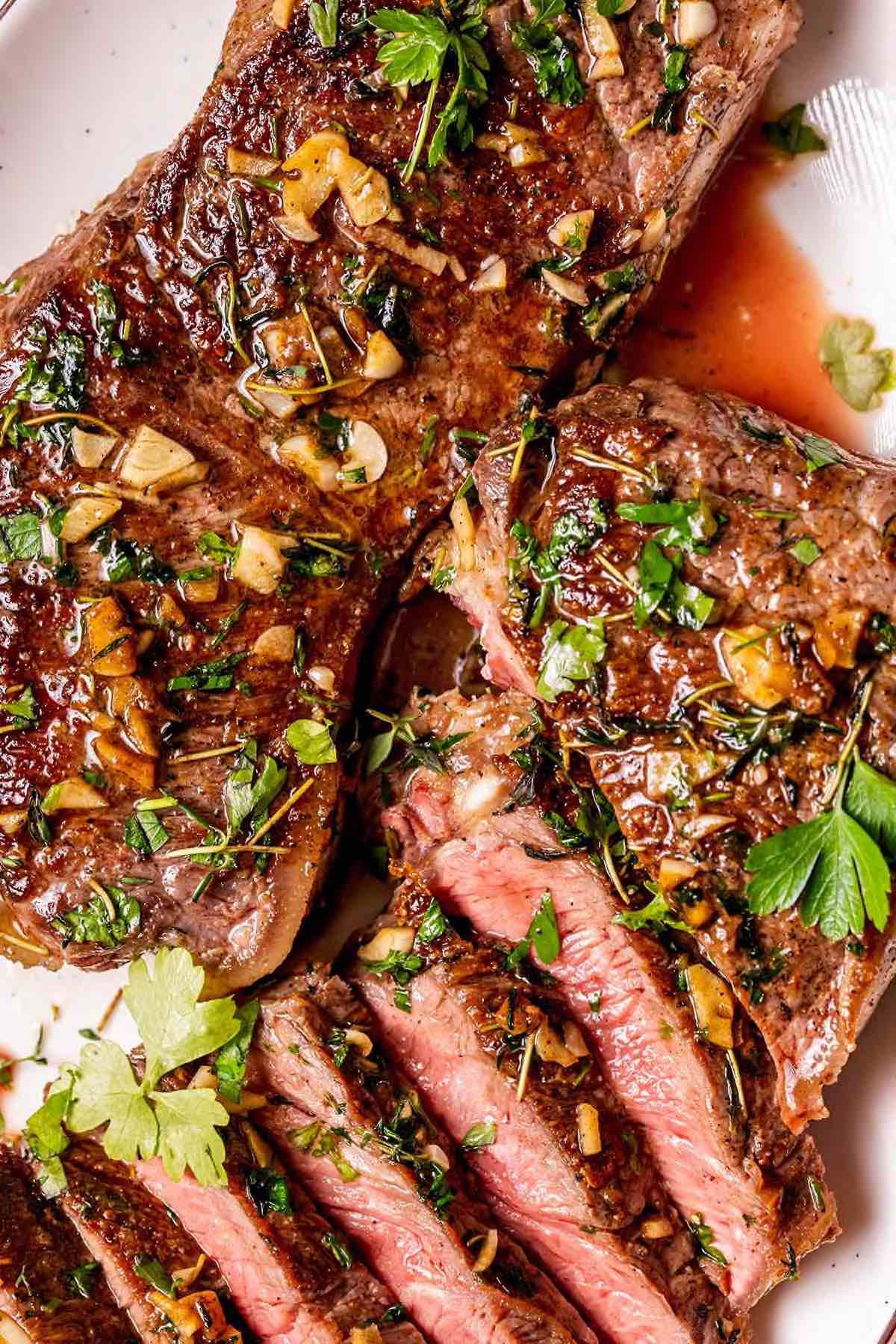
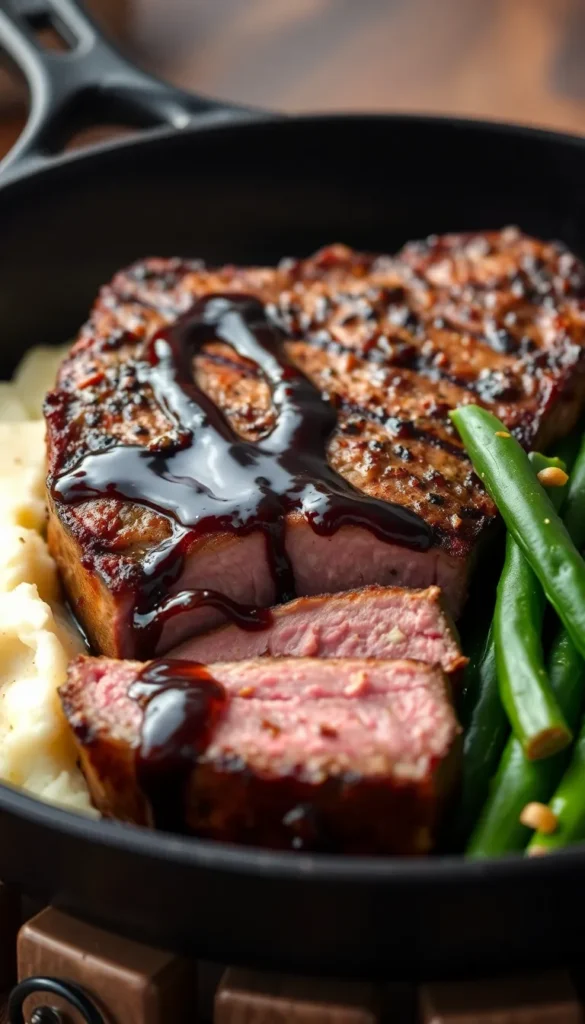
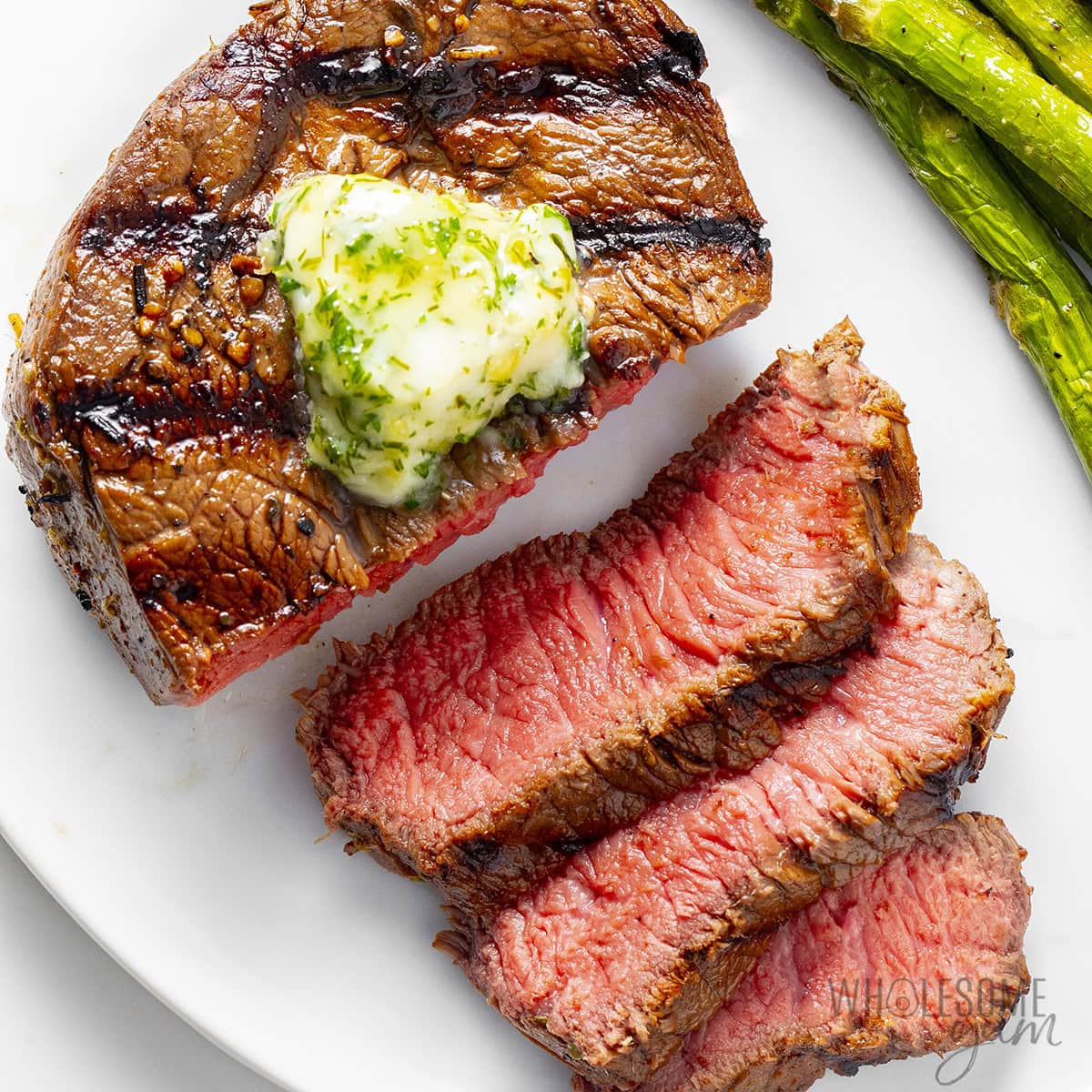
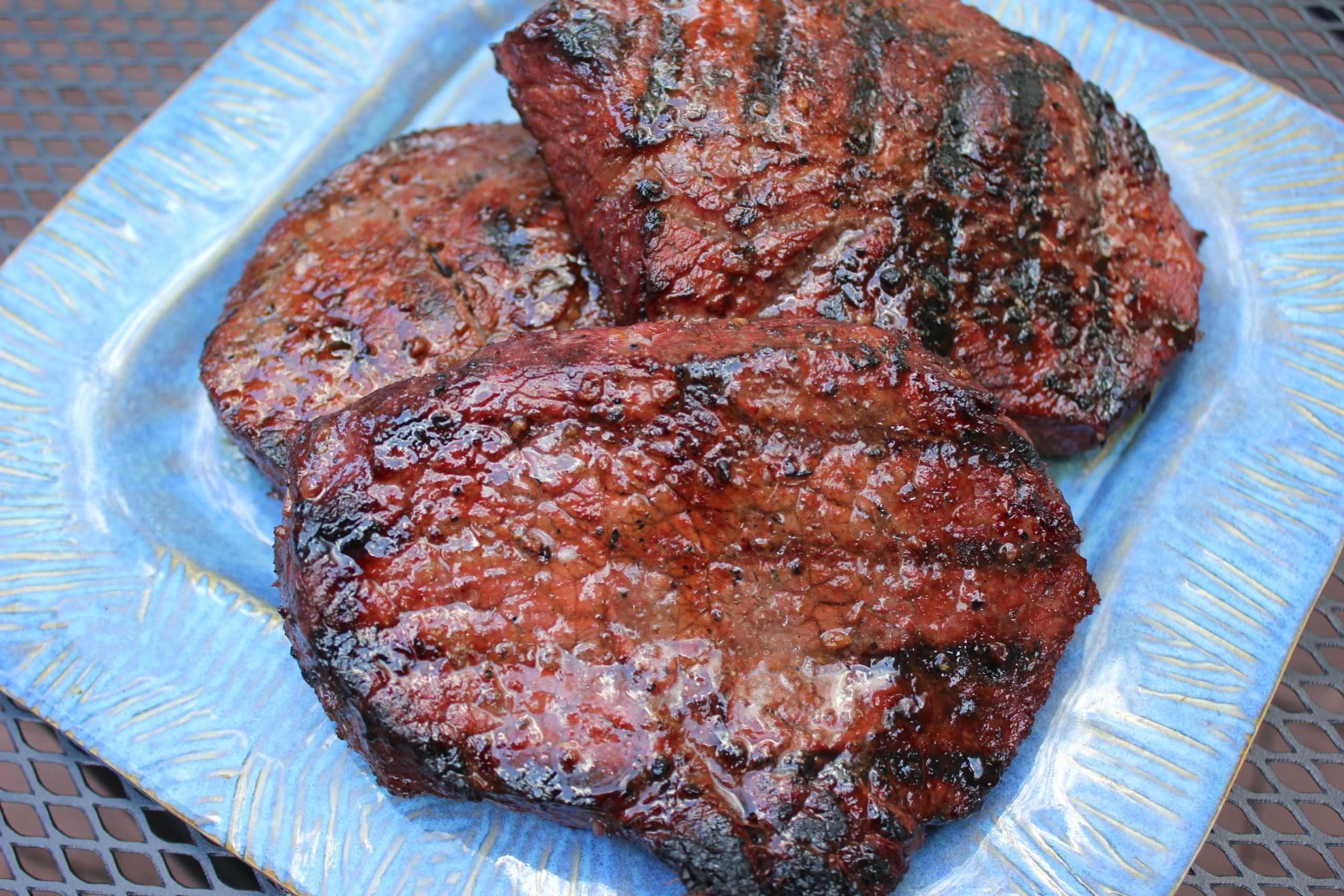
A great value steak. Grill after marinating. The name “Petite” comes from the small size of the Sirloin cut.
Additional information
| Animal Type | Beef |
|---|---|
| Cut Type | |
| Packaging | Frozen, Vacuum-sealed |
| Grade or Program | Grass-fed, USDA Inspected |
| Weight / Portion Size | Extra Generous, Lean & Right-Sized |
Only logged in customers who have purchased this product may leave a review.
Description
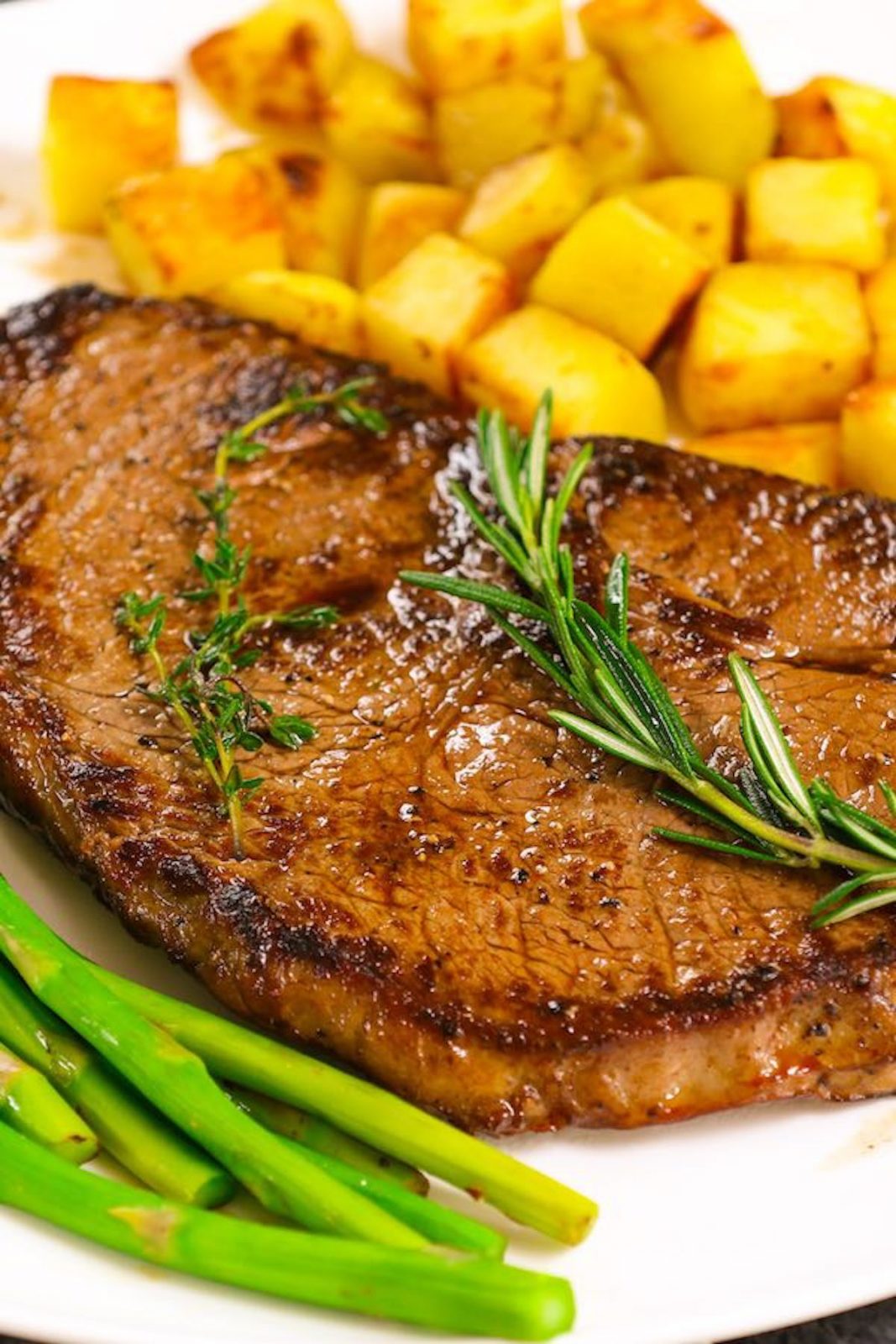
petite sirloin steak is a lean, moderately tender steak cut from the sirloin primal, specifically the sirloin butt or top sirloin area near the rear of the cow. It’s smaller and more economical than premium sirloin steaks, but still offers a true steak experience when cooked properly.
Key characteristics
- Cut from the sirloin primal (rear back of the animal, near the hip)
- Lean with moderate beef flavor
- Less marbling than ribeye or strip steak
- Often cut into small, portion-sized steaks
- Firm structure due to active muscle use
It sits in the “value steak” category: more tender than chuck cuts, but less rich and forgiving than ribeye or strip loin.
Appearance
- Small, compact steak (typically 4–8 oz portions)
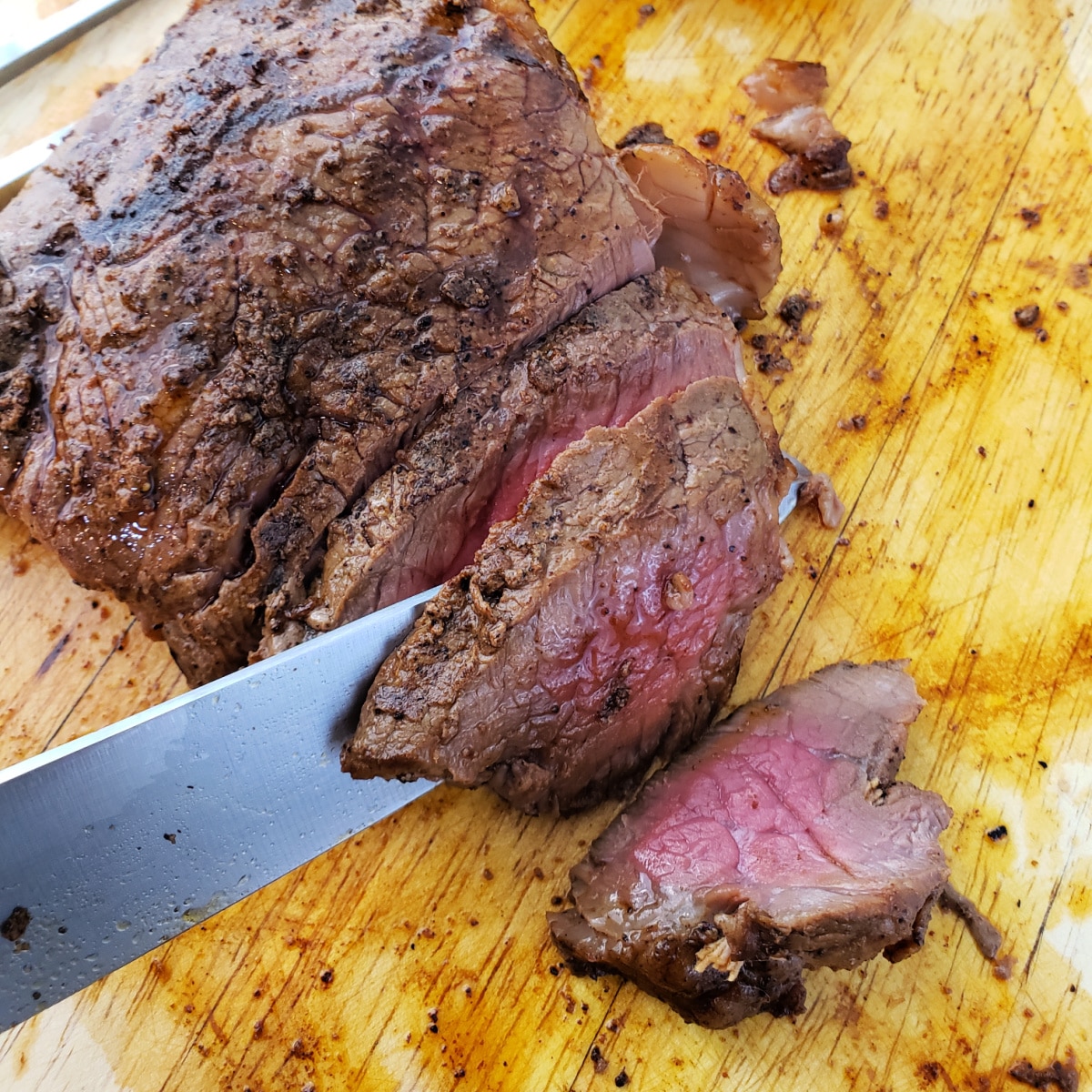
- Deep red color with minimal visible fat
- May have a thin fat cap on one side
- Fine-grained muscle fibers
- Usually boneless and uniform in shape when properly trimmed
Flavor and texture
- Flavor: Clean, beefy, but milder than heavily marbled steaks
- Texture (properly cooked): Moderately tender with a slight chew
- Texture (overcooked): Quickly becomes dry and tough due to low fat content
Because it is lean, it does not have the buttery richness of ribeye but still provides a solid steak flavor.
What makes it good
Its main strength is value and versatility. It offers steak-like eating at a lower price point and cooks quickly, making it convenient for weeknight meals. It also works well with marinades that enhance tenderness and flavor.
Best cooking methods
Because it is lean, it benefits from methods that preserve moisture:
- Grilling (medium-high heat): best for quick searing and flavor development
- Pan-searing: excellent with butter, garlic, and herbs
- Broiling: good indoor high-heat alternative
- Marinating before cooking: helps tenderize and add moisture
- Sous vide + sear: produces consistent tenderness and doneness
It is not ideal for slow roasting, which can dry it out.
Doneness recommendations
Because of its leanness:
- Best range: medium-rare to medium
- 130–145°F (54–63°C)
- Medium-rare gives the most tenderness and juiciness
- Medium is acceptable if rested well
- Above medium, it tends to become noticeably dry and chewy
Resting after cooking is important to retain juices.
Comparison with other steaks/roasts
- Ribeye steak: much more marbled, richer, and forgiving; petite sirloin is leaner and firmer
- Strip steak (New York strip): more tender and better marbling; similar steak format but higher quality
- Top sirloin steak: closely related, but top sirloin is generally larger and slightly more tender
- Chuck steak: more connective tissue and better for slow cooking; petite sirloin is better for quick cooking
- Tenderloin: far more tender but less flavorful; petite sirloin is more beef-forward
Advantages
- Affordable steak option
- Lean and relatively healthy compared to fatty cuts
- Quick to cook
- Good beef flavor when cooked properly
- Works well with marinades and sauces
Limitations
- Low marbling → can dry out easily
- Less tender than premium steaks
- Not very forgiving if overcooked
- Requires careful cooking and resting
- Smaller size compared to other sirloin cuts
Bottom line
petite sirloin steak is a lean, budget-friendly steak that delivers solid beef flavor and quick cooking convenience. It rewards careful heat control—best enjoyed medium-rare with proper resting—but lacks the natural tenderness and richness of higher-marbled cuts.
Recipes for this product
You may also like…
-


Rib Steak
$32.00 — available on subscriptionSelect options This product has multiple variants. The options may be chosen on the product page -
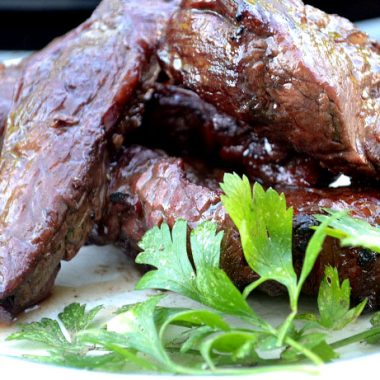
Country-Style Ribs
Price range: $22.00 through $44.00 — available on subscriptionSelect options This product has multiple variants. The options may be chosen on the product page
Related products
-

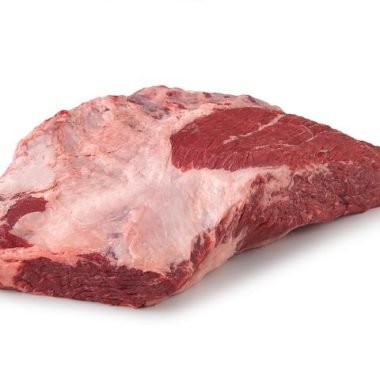
Chuck Under Blade Square Cut
Price range: $22.00 through $44.00 — available on subscriptionSelect options This product has multiple variants. The options may be chosen on the product page -
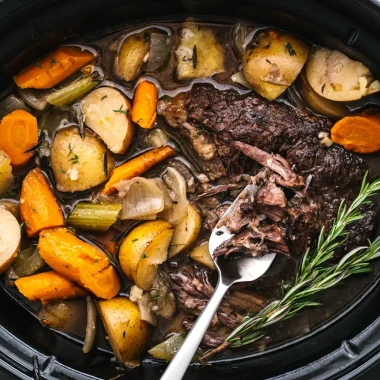
Pectoral Meat
Price range: $22.00 through $44.00 — available on subscriptionSelect options This product has multiple variants. The options may be chosen on the product page -

Chuck Flap Edge Roast
Price range: $22.00 through $44.00 — available on subscriptionSelect options This product has multiple variants. The options may be chosen on the product page
Reviews
There are no reviews yet.